













For most people with healthy teeth and gums, low-strength over-the-counter whitening pens are generally safe when used as directed. The most common side effects are temporary tooth sensitivity and mild gum irritation. Safety depends on the bleach strength, how often you use the pen, and the condition of your teeth and gums.
Use the pen exactly as directed. Stop and call a dentist if you have severe pain, gum burns, swelling, or white spots that do not improve.
What Makes a Whitening Pen Safe or Risky
Whitening pens are not all the same. Most contain a hydrogen peroxide or carbamide peroxide bleaching gel. Carbamide peroxide is a slower-release form that breaks down into hydrogen peroxide. The concentration, or bleach strength, matters more than the product name.
Over-the-counter whitening pens are generally lower-strength than in-office bleaching. One randomized study of over-the-counter paint-on and strip products containing 2.9% hydrogen peroxide found mild, reversible gum irritation and sensitivity, with acceptable safety overall. The same study found those OTC products were less effective than dentist-supervised home bleaching.
Risk goes up when a product is stronger, used more often than directed, or left on the teeth longer than intended. People who change bleaching gel more than once a day may raise their sensitivity risk, according to a review of peroxide whitening safety.
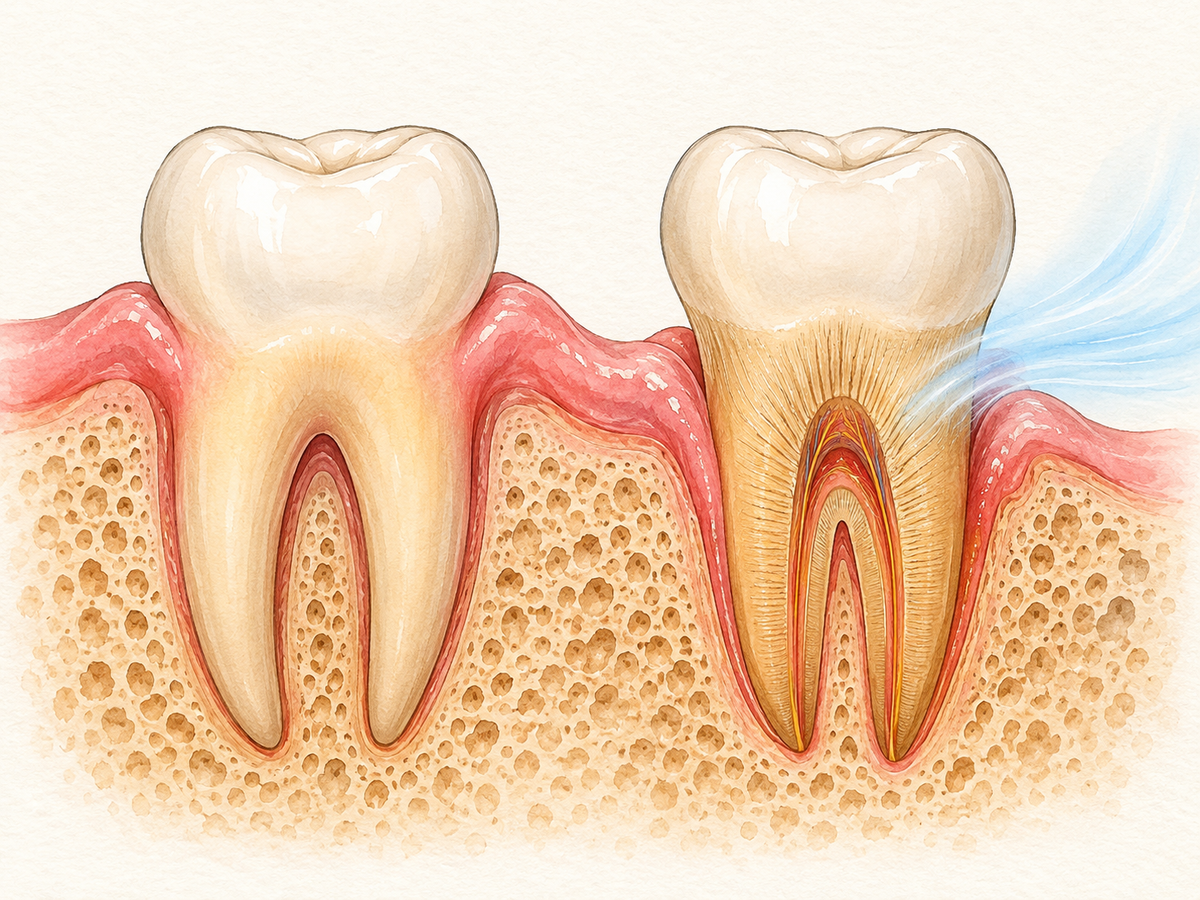
Your starting oral health also matters. Whitening is not a good idea if you have untreated cavities, exposed root surfaces, or defective fillings, because gel can reach deeper layers of the tooth and cause pain. Bleaching should not be done on teeth with cavities, exposed dentin, or defective restorations, according to the same safety review.
Common Side Effects to Expect
The most common reactions are temporary tooth sensitivity and mild gum irritation.
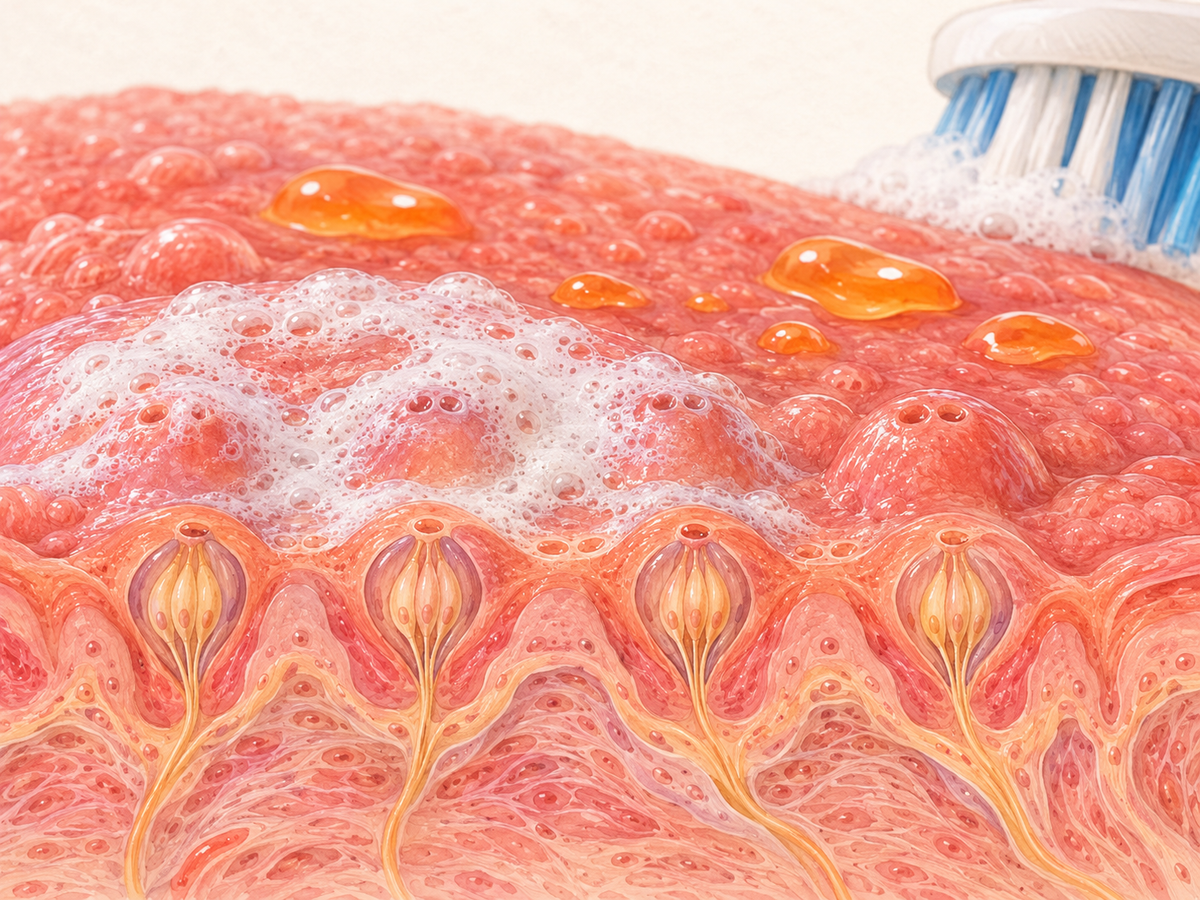
Sensitivity is common. One clinical safety review notes that sensitivity to cold or temperature changes may occur in up to half of people during or after bleaching. It often peaks around the third day of treatment and then improves.
Mild gum irritation usually happens when gel touches the gumline. In the randomized OTC study, gum irritation and sensitivity were mild and reversible.
Many mild side effects fade within 1–3 days after you stop or finish treatment.
- Expected: mild twinges with cold drinks or air, slight gum redness or soreness where gel touched, sensitivity that peaks and then eases.
- Not expected: severe or lasting pain, burns, blistering, swelling, white spots, or pain that continues after stopping use.
Enamel and Gum Damage Concerns
Tooth enamel is the hard outer layer of the tooth.
Used correctly, low-strength over-the-counter whitening pens are unlikely to cause meaningful or permanent enamel damage. A systematic review and meta-analysis found only small changes in enamel hardness after peroxide bleaching, without clear evidence of clinically meaningful harm when products were used according to recommended protocols.
Overuse is different. A lab study of overnight whitening pen use found that applying some pens for 8 hours a day for 10 days increased peroxide penetration to the inner tooth and reduced enamel hardness in one higher-strength, lower-pH product. That kind of prolonged contact is more than typical directions call for.
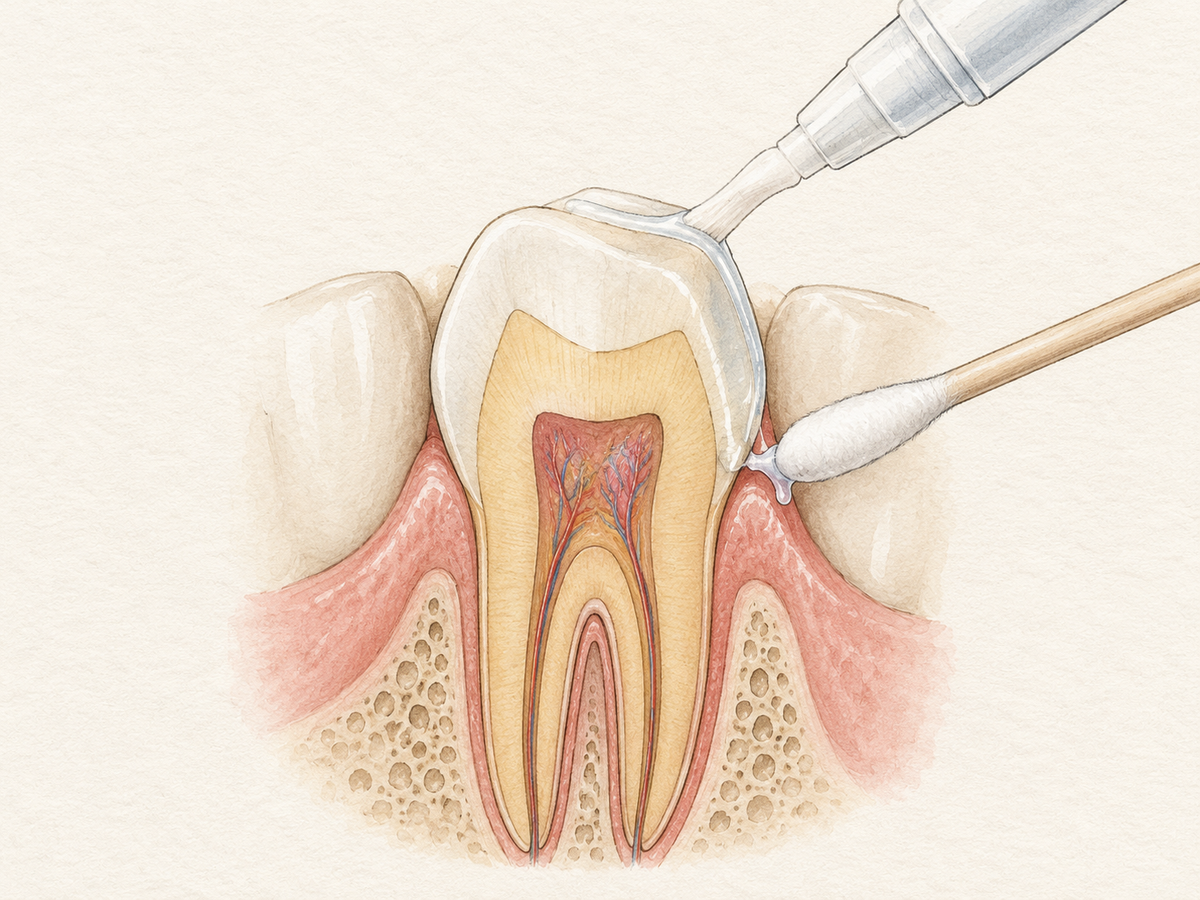
For gums, the main risk is irritation or burns from gel sitting on the tissue. If your gums have receded, the exposed root surface does not have the same hard enamel covering, so it can be more easily irritated. The American Dental Association patient guidance on whitening notes that whitening can be uncomfortable when gums have pulled away from the teeth.
- Low-strength pen, used as directed: low risk of permanent enamel damage.
- Overuse or overnight use: more peroxide may reach the inner tooth and enamel may soften.
- Gel on gum tissue or exposed root areas: irritation or gum burns are more likely.
Who Should Avoid Whitening Pens
You do not need to diagnose yourself. But if any of these apply, talk to a dentist before using a whitening pen.
- Untreated cavities or cracked fillings: Gel can enter the hole or crack and reach deeper layers, causing pain. Bleaching should not be done on teeth with cavities, exposed dentin, or defective restorations, according to the safety review.
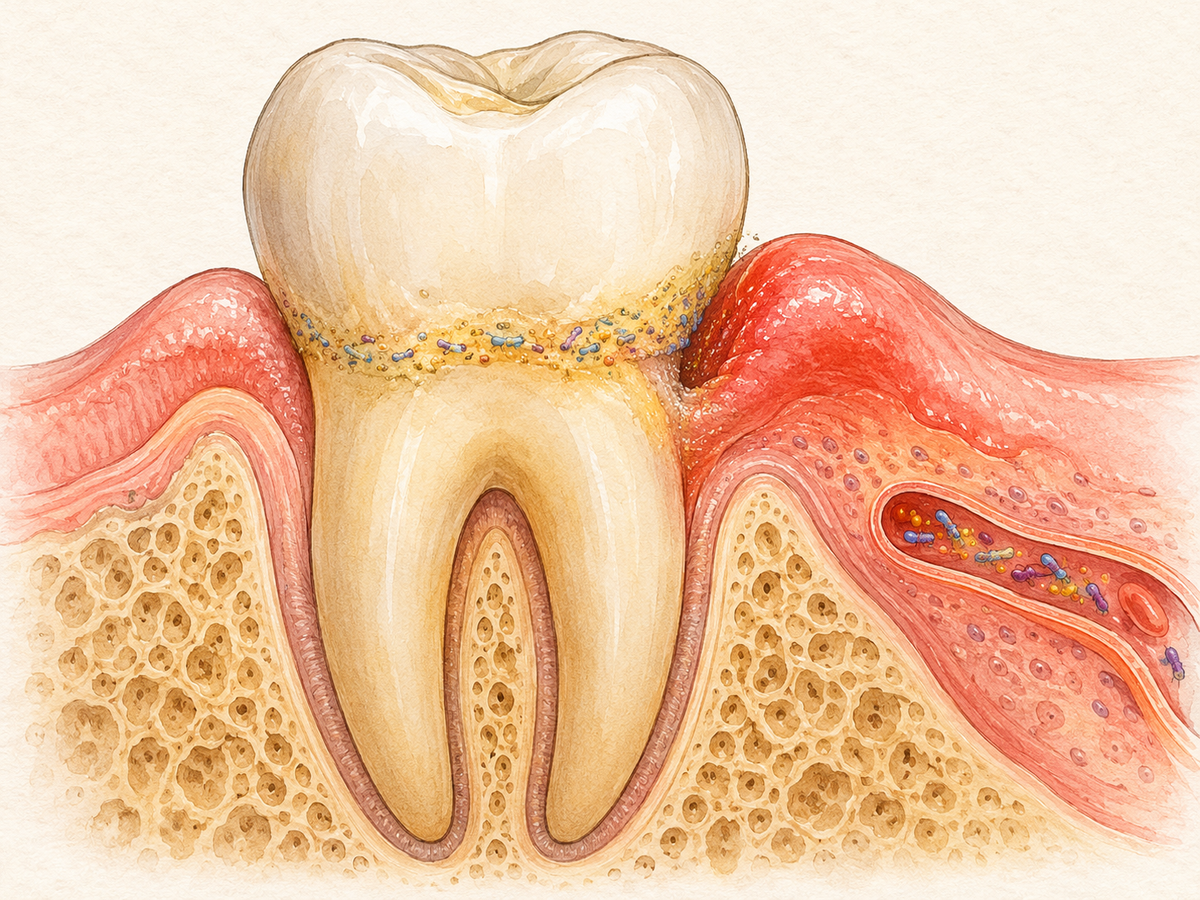
- Gum disease or receding gums: Whitening can be uncomfortable when gum tissue is inflamed or has pulled away, according to ADA patient guidance.
- Braces or recent orthodontic treatment: Most orthodontists do not recommend whitening during braces, and many prefer waiting 1–3 months after brackets are removed, according to a survey of orthodontists.
- Recent dental work or tooth-colored restorations: Whitening gel does not lighten fillings, crowns, veneers, or bonding. You could end up with uneven color.
- Very sensitive teeth: Bleaching can make sensitivity worse, so ask a dentist first.
- Children, teens, pregnancy, or breastfeeding: Whitening is often not recommended for children under 16 or during pregnancy/breastfeeding. Check with a dentist or doctor.
How to Use a Pen Safely
Most side effects come from using too much gel, using it too often, or leaving it on too long. The safest approach is to follow the label and treat the pen as a routine, not a quick fix.
- Start with clean, dry teeth. Dry the front surfaces as directed so the gel stays on enamel instead of sliding onto gums.
- Apply a thin layer. Light, even coverage is enough. If gel is pooling at the gumline, you are using too much.
- Keep gel off the gums. If any gel gets on the gumline, wipe it away gently with a clean tissue or cotton swab.
- Follow the product’s frequency and time limit. Do not use it more times per day or leave it on longer than the label says.
- Do not overload the pen. A heavy layer does not whiten faster; it increases the chance of gum irritation.
- Use it consistently for the recommended period, then stop. More sessions are not better.
Using bleaching gel more than once a day can increase sensitivity, so the product’s usage limit is there for a reason, according to the safety review.
When to Stop and Call a Dentist
Stop using the pen if you notice any of these warning signs. Do not try to push through irritation.
- Severe or long-lasting tooth sensitivity that makes eating, drinking, or sleeping hard
- Gum burns, blisters, or raw-looking areas
- White spots that appear or worsen on the teeth
- Swelling in the gums, lip, cheek, or face
- Pain that continues after you have stopped using the pen
- Any symptom that feels unusual or alarming
White spots can have more than one cause, so they are worth getting checked. If you are not sure whether a symptom is normal, stop and call. A dentist can look for causes such as an untreated cavity, a cracked filling, or an exposed root surface.
Pen vs. Professional Whitening
Over-the-counter whitening pens are usually lower-strength than professional treatments, so for many people they carry lower risk. But they are also less powerful and less controlled.
In-office bleaching may use hydrogen peroxide in concentrations from 15% to 43%. Dentist-supervised home kits often use lower-strength carbamide peroxide, about 10–22%, which is roughly equivalent to 3% hydrogen peroxide. Over-the-counter products are generally below professional levels, according to a patient-focused whitening overview.
| Option | Strength | Control and protection | Best for |
|---|---|---|---|
| At-home whitening pen | Lower | You control placement; more risk if gel touches gums | Healthy teeth and gums, mild staining, following directions |
| Dentist-supervised take-home whitening | Moderate | Custom-fitted trays help keep gel on teeth and off gums | People who want stronger results with supervision |
| In-office whitening | Stronger | Dentist protects gums and controls the process | Faster results, but more costly |
A pen can be a reasonable low-risk option when your mouth is healthy, your staining is mild, and you follow the directions. Professional care is the safer choice when you have untreated cavities, gum disease, receding gums, many restorations, very sensitive teeth, or you want more predictable results.
For most people with a healthy mouth, an OTC whitening pen can be a low-risk way to lift stains when used with care. If anything feels more than mildly uncomfortable, stop and let a dentist check it out.
 Best Overall
 Best Value
 Best for Sensitive Teeth
This article has been reviewed by an oral health professional for accuracy. It is intended to provide general educational information and should not be used as a substitute for personalized medical advice, diagnosis, or treatment. If you have questions or concerns about your oral health, please consult a dentist, physician, or other qualified healthcare provider.