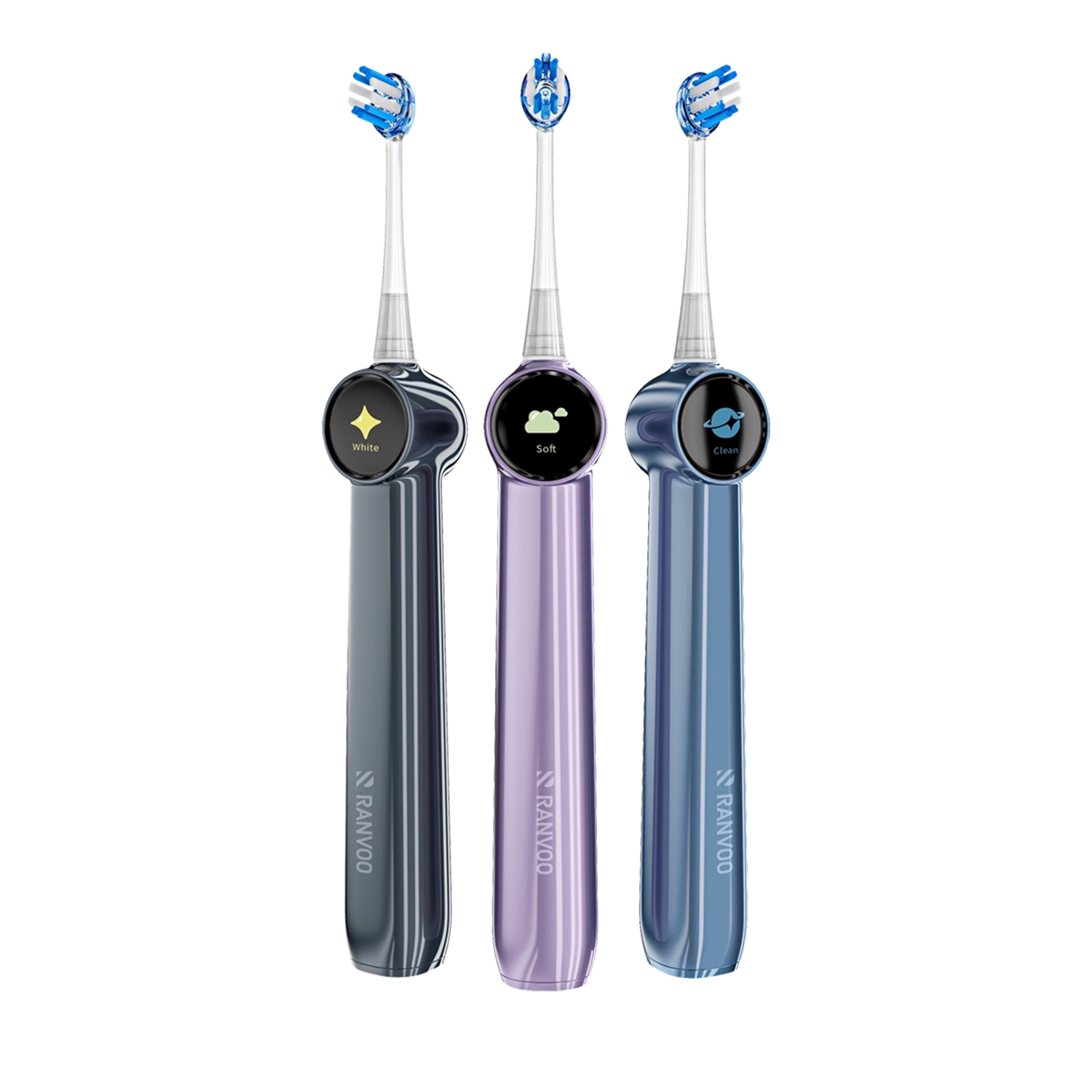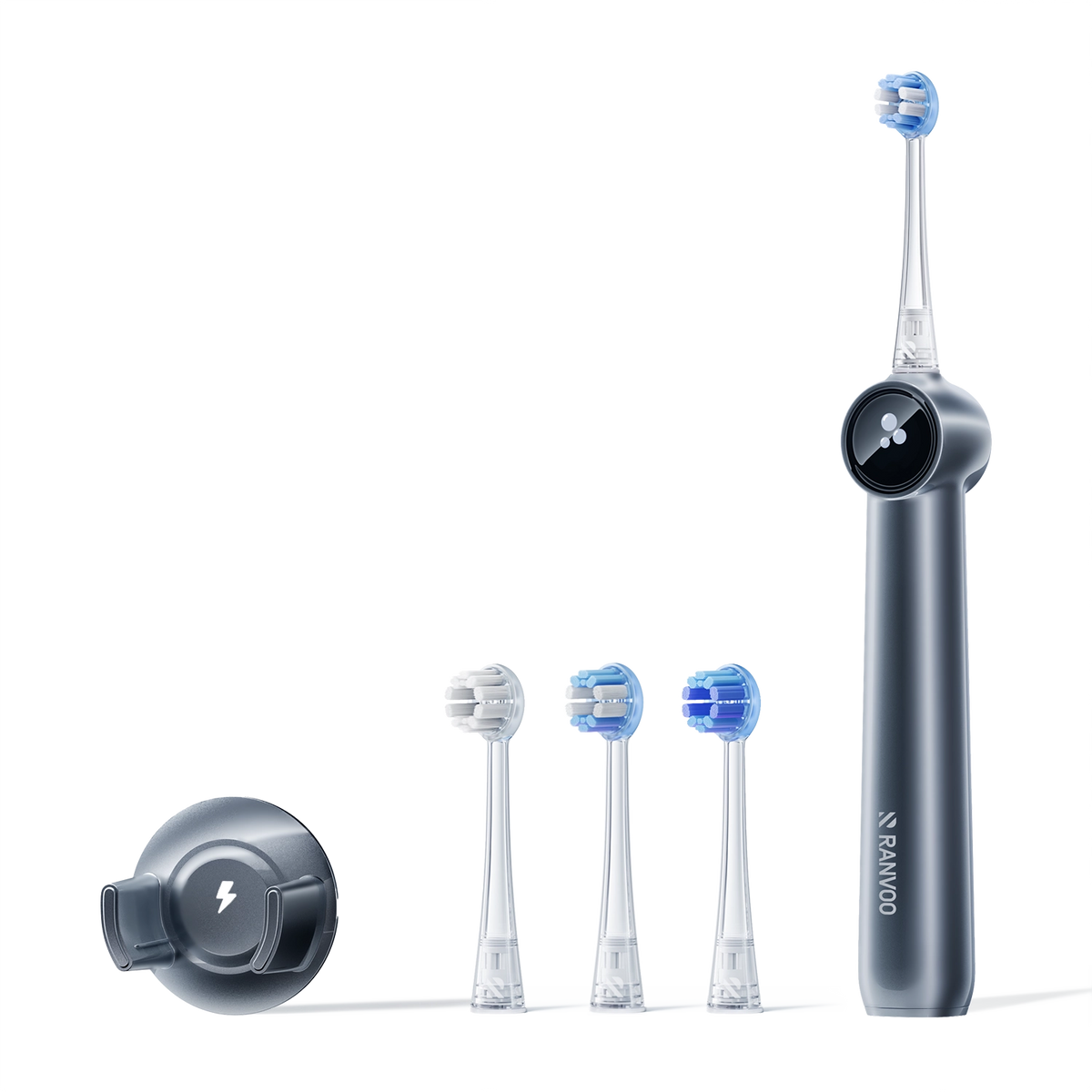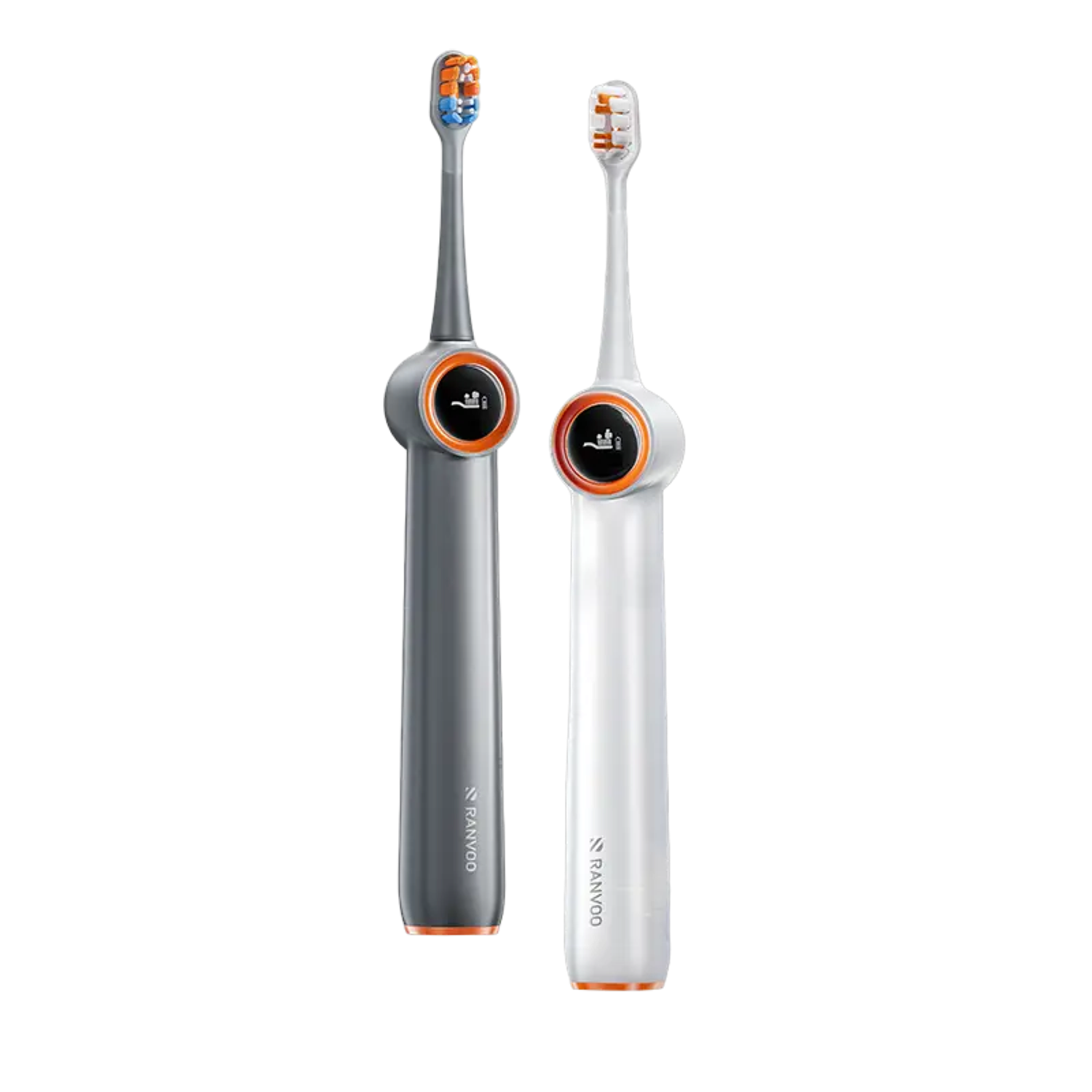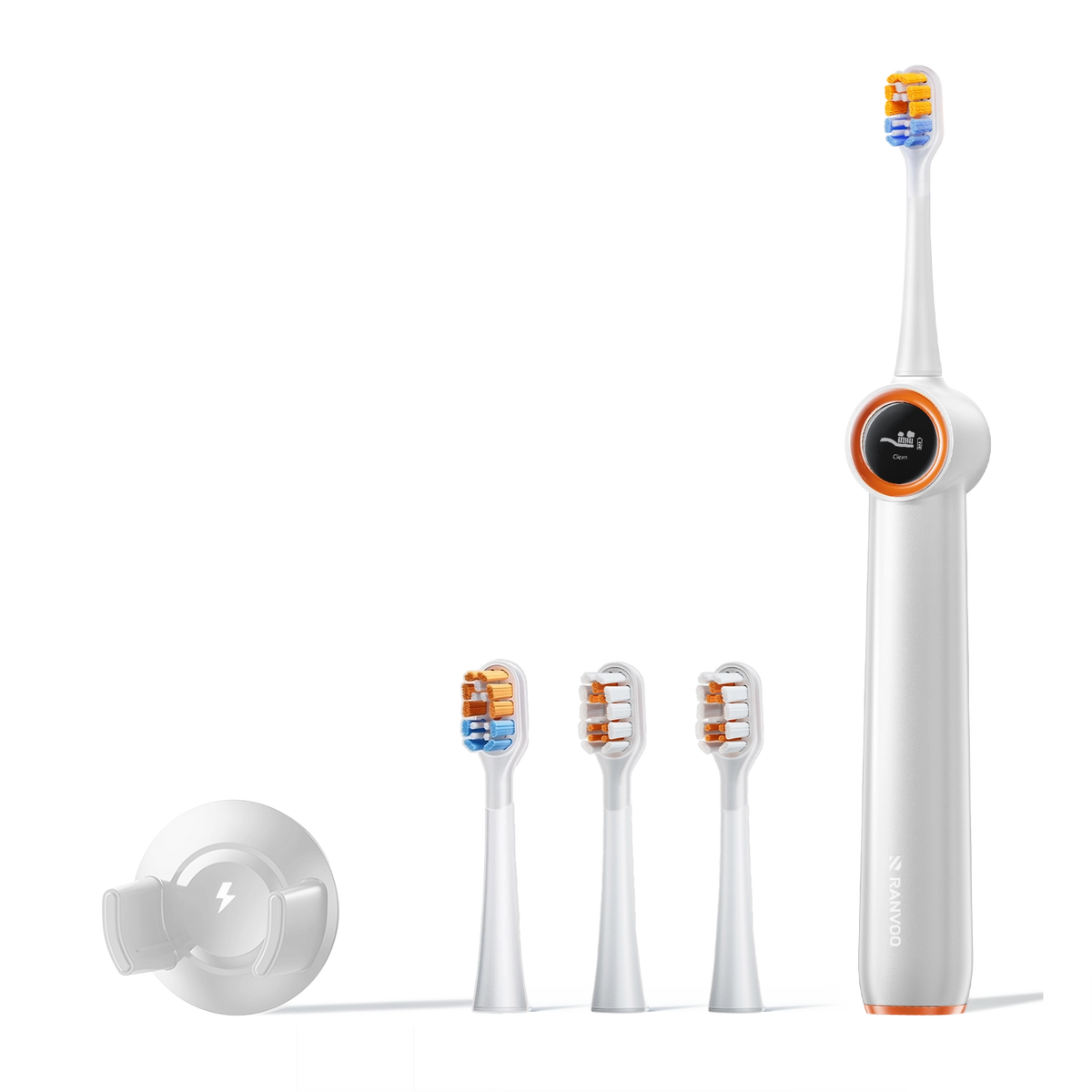







Replace your manual toothbrush or electric brush head about every 3 to 4 months. But the calendar is only a reminder. The important signal is the shape of the bristles: once they look bent, flattened, or fanned out, they clean less effectively and may feel rough. If that happens before 3 months, replace the brush sooner.
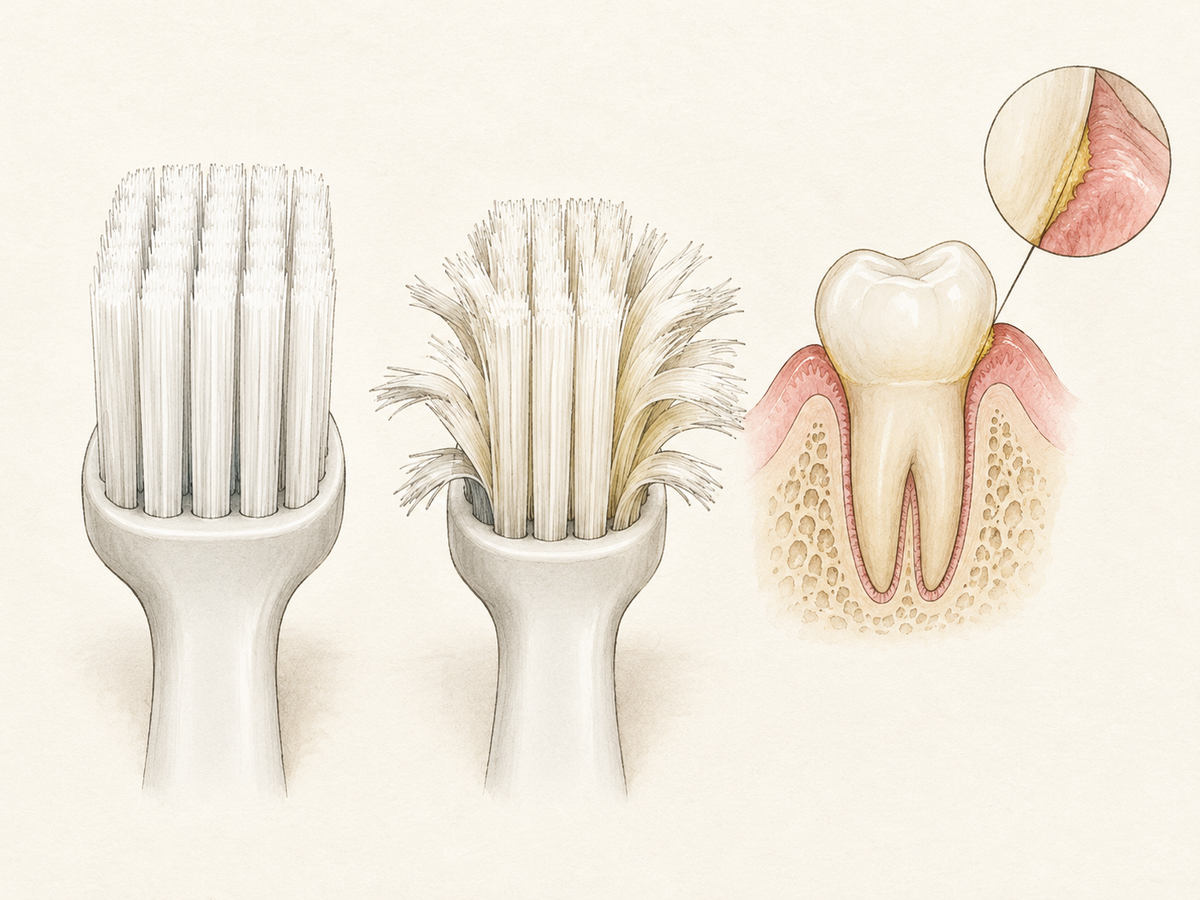
Watch the bristles, not just the calendar. If the outer bristles are splayed beyond the base of the brush head, it is time to change it.
Why 3 Months Is the Usual Deadline
The American Dental Association recommends replacing a toothbrush every 3–4 months, or sooner if the bristles become frayed, according to a study on toothbrush wear. That guideline is practical, not a fixed scientific deadline.
Plaque is the sticky film of bacteria that builds up on teeth. The bristles need to break up and sweep away that film. When bristles stay straight and springy, they do that job well.
But wear varies from person to person. In a study of 3-month-old manual toothbrushes, some people returned brushes with almost no visible wear, while others returned heavily splayed brushes. People with extremely worn brushes had more plaque than people with no visible wear or only light wear. So the amount of wear matters more than the exact age of the brush.
Once outer bristles fan out past the base of the brush head, the brush has lost its original shape. Those bent tips cannot reach the gumline and around curves as well. They can also rub against the gums in a rough way.
Manual vs. Electric: Is the Timeline Different?
Electric toothbrush heads generally follow the same 3-month rule. But the exact timing depends on two things:
- The design of the brush head.
- How hard you press.
Some electric heads wear faster than others. In one study, two oscillating-rotating electric brush heads wore at different rates over 4 to 13 weeks, which is roughly 1 to 3 months. That means one head may look worn before the other, even with the same brusher. Electric brush head research
Another power toothbrush study found that using the same head for 6 months reduced plaque removal. Gum inflammation appeared to increase after the head was used for more than about 4 months. For that reason, some researchers suggest replacing power brush heads after 4 months. Power toothbrush replacement study
For both manual and electric brushes, inspect the head for:
- Frayed or bent bristles.
- Discoloration.
- Loss of the original head shape.
If the manufacturer’s replacement advice is shorter than 3 months, follow that advice.
Signs You Should Replace It Sooner
You do not have to wait for the 3-month mark. Replace sooner if you notice any of these:
- Bristles are bent, frayed, flattened, or fanned out.
- Bristles no longer stand straight or spring back.
- The brush has a bad smell even after rinsing.
- The bristles or base look stained or discolored.
- Your mouth does not feel as clean after brushing.
A few things can wear a brush out faster:
- Brushing hard.
- Braces or other dental appliances.
- Gum disease, which may make you brush around sore or uneven areas.
- Chewing on the brush.
If any of these apply to you, check the brush more often. Trust what you see.
What Happens If You Wait Too Long
A worn toothbrush may do a weaker job. Bent bristles can remove less plaque, and they may miss the gumline where plaque likes to collect. The brush can also start to feel scratchy instead of gentle.
That does not mean a 3-month-old brush is automatically useless. Older studies have found that a 3-month-old brush can still clean as well as a new one when it is not badly worn. The problem is mainly visible wear, not the date on the calendar. Toothbrush wear and cleaning performance
There is also a hygiene side. A toothbrush can pick up bacteria from the mouth, hands, or bathroom environment. Research on toothbrush contamination shows that microorganisms can survive on bristles and that contamination tends to increase with repeated use. In one study, the microbial load on toothbrushes rose more clearly after 12 weeks of use. Toothbrush microbiome study
A damp, closed container can make that worse because bacteria like moisture. This does not mean every old toothbrush will make you sick. Your body has defenses. But it is a good reason to replace on time, rinse your brush after use, and let it air dry upright.
How to Remember to Replace It
Simple systems work better than trying to remember:
- Write the date on the handle with a permanent marker.
- Set a phone reminder every 3 months.
- Keep one or two spare brushes or heads at home.
- Replace at the start of each season: spring, summer, fall, winter.
- For electric brushes, buy multipacks or use a subscription for replacement heads.
These small habits take less mental energy than noticing a worn brush too late.
Special Situations That Reset the Clock
Some situations make a sooner swap reasonable.
- After a cold, flu, or mouth infection: You may prefer to start fresh once you feel better. The evidence is not strong enough to say this always prevents reinfection, but it is reasonable if the brush is already worn or you want peace of mind.
- With braces or dental work: Braces create more places for plaque and germs to hide. One study found that toothbrushes used by people with braces carried more cavity-linked bacteria than brushes used without braces. That may be a reason to replace more often during orthodontic treatment. Braces and toothbrush contamination
- With gum disease: If you are being treated for gum disease or a mouth infection, ask your dentist whether to start with a new brush. Soft, intact bristles are gentler on sore gums.
- If you or your child chew the brush: Chewing crushes and flattens bristles quickly. Replace it as soon as the head looks damaged.
- For kids: Children often press hard or chew while brushing, so their brushes may need replacing sooner than an adult’s.
When in doubt, replace it. A new brush is an inexpensive way to keep plaque and gum irritation in check. If you are still unsure, or your gums stay sore or bleed often, ask your dentist or hygienist.
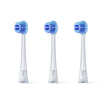
 Best Overall
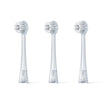
 Best Value
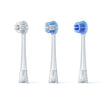
 Best for Sensitive Teeth
This article has been reviewed by an oral health professional for accuracy. It is intended to provide general educational information and should not be used as a substitute for personalized medical advice, diagnosis, or treatment. If you have questions or concerns about your oral health, please consult a dentist, physician, or other qualified healthcare provider.