










Overbrushing can wear away the outer layer of teeth and make gums pull back, but the fix is usually simple: brush twice a day for two minutes with a soft brush and light pressure. Brushing harder or more often does not make teeth cleaner. If you notice sensitivity, receding gums, or teeth that look worn near the gumline, soften your technique now and see a dentist if symptoms persist.
Plaque is soft, so you do not need force. If your toothbrush bristles flatten or your gums feel sore after brushing, ease up.
Spot the Signs of Overbrushing
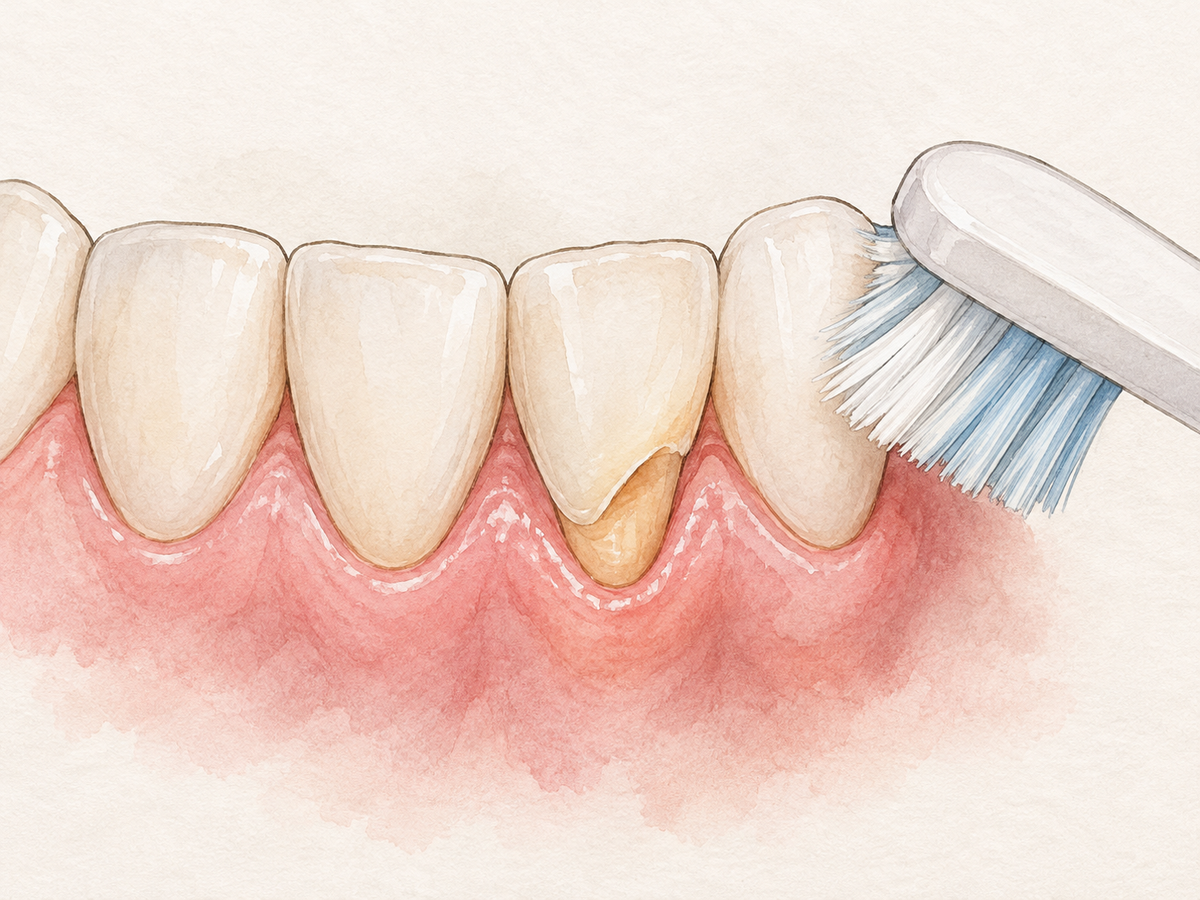
Overbrushing, also called toothbrush abrasion, means tooth and gum damage caused by brushing too hard, too often, or with a rough scrubbing motion. It is not only about brushing for a long time.
Common signs to look for include:
- Gums that look pulled back from the teeth, making teeth look longer.
- A shiny or worn appearance near the gumline.
- Tooth sensitivity to cold, hot, sweet, or sour foods.
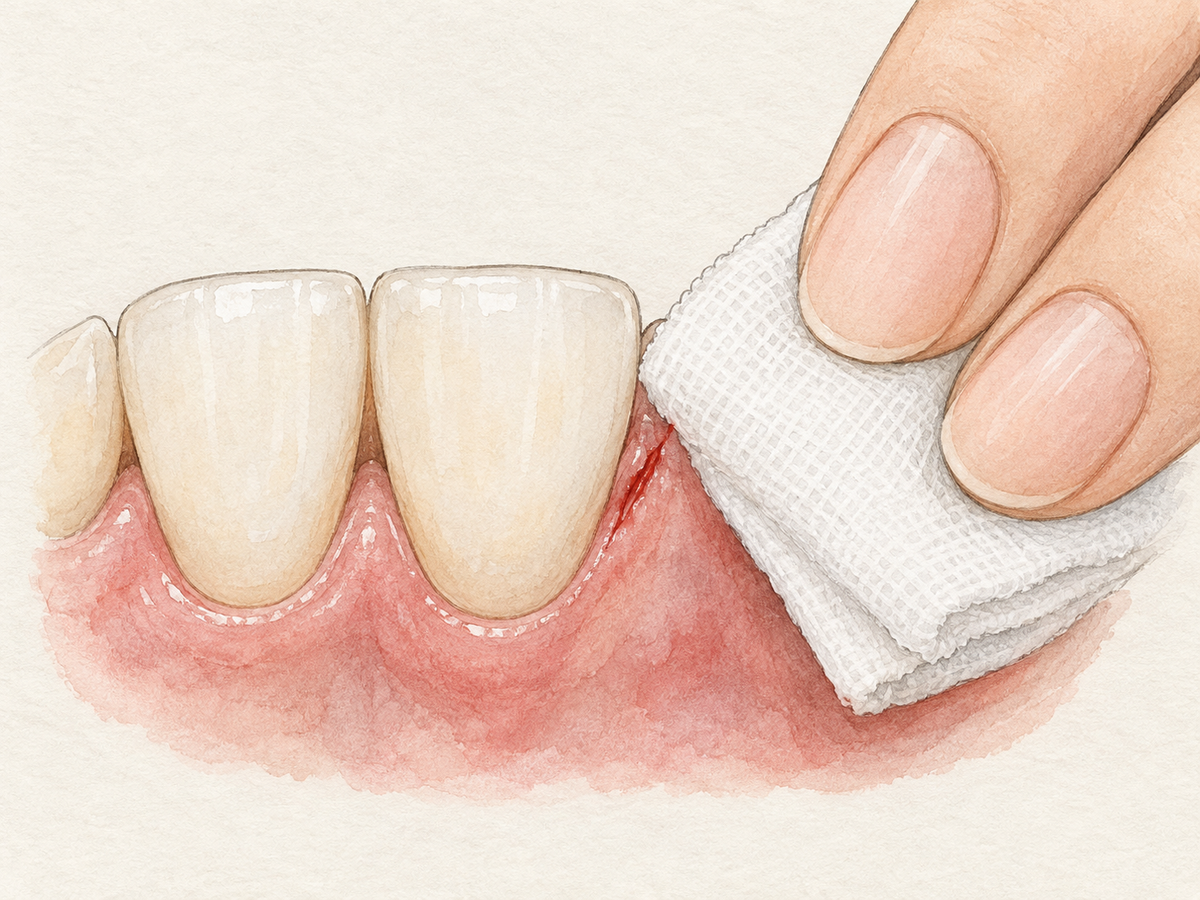
- Bleeding gums, especially if they keep bleeding after gentle brushing.
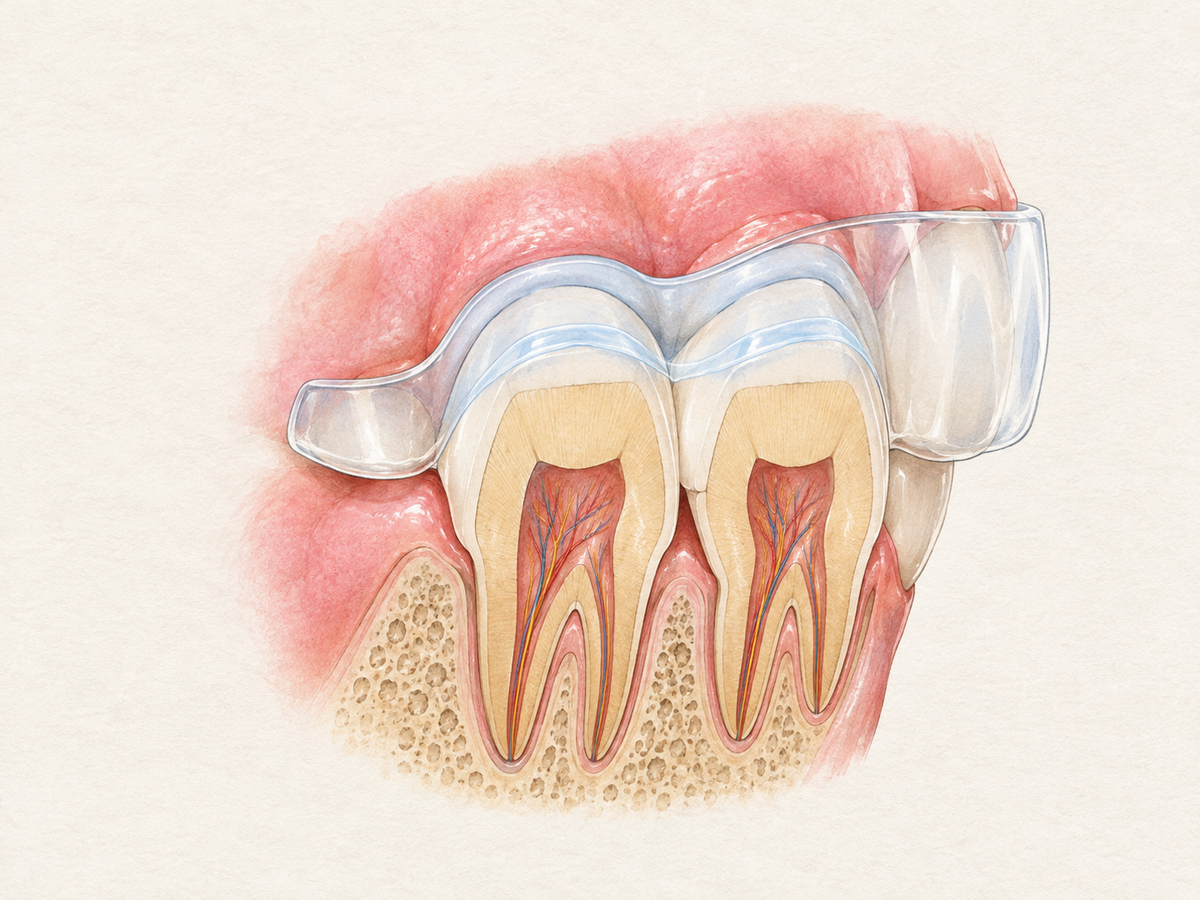
These signs can have other causes too. Bleeding often comes from gum inflammation, and sensitive teeth may be linked to cavities or other issues. But if you notice several signs together, your brushing style is worth checking. Catching these signs early is good news because simple technique changes can stop further wear.
Some studies link frequent brushing and a back-and-forth scrubbing method to receding gums, though the evidence is mixed. Clinical research on toothbrushing and gum recession suggests several factors may play a role, so it is worth reviewing your pressure and technique even if you are not sure you are overbrushing.
Set a Safe Brushing Schedule
Brush twice a day for about two minutes. That is the standard advice from dental experts, and it is enough for most people. A review of brushing studies found that two minutes removes more plaque than one minute, with moderate certainty. Longer brushing, such as three minutes or more, does not appear to help much.
More frequent brushing is not better. Brushing after every meal or snack can irritate gums and add wear without a real cleaning benefit. Consistency matters more than force or extra sessions.
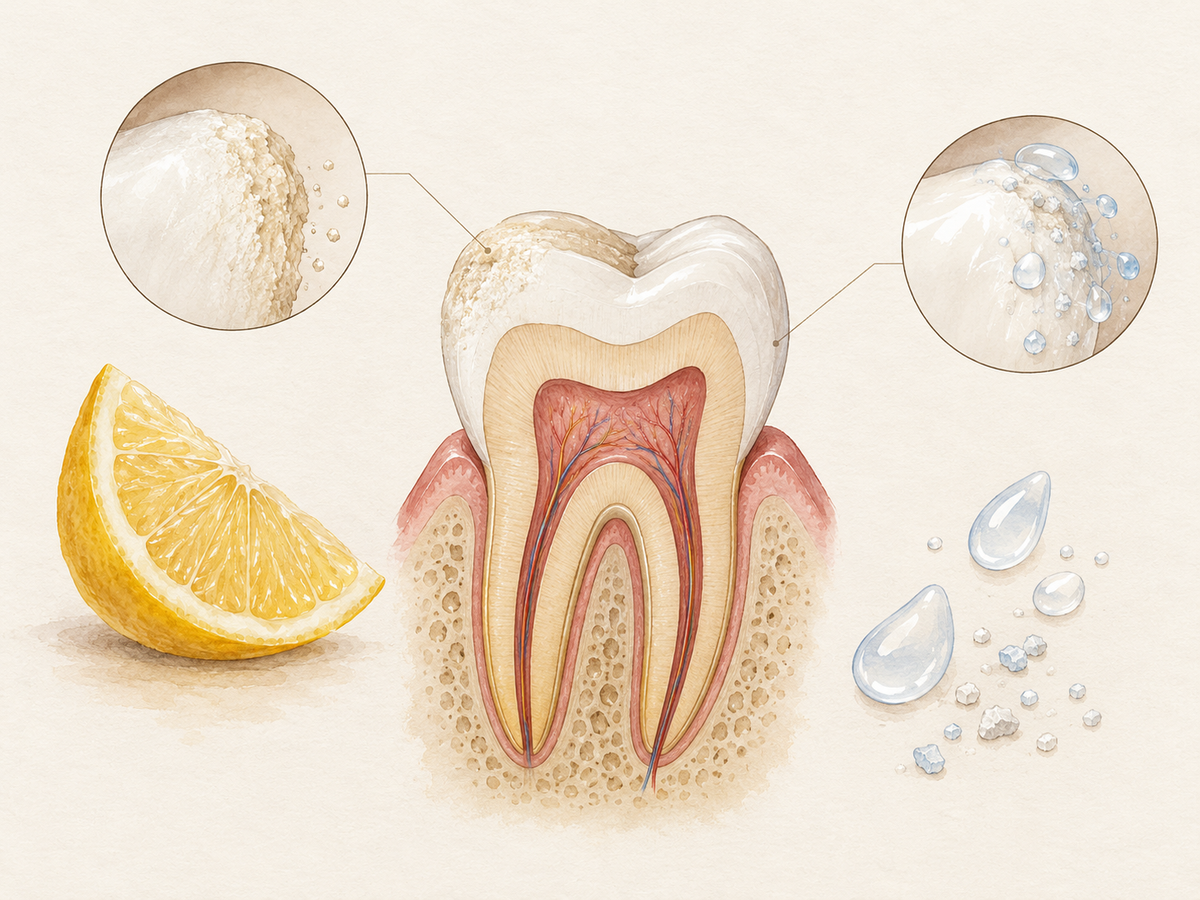
If you eat or drink something acidic, such as soda, citrus, wine, or pickles, the acid can temporarily soften the outer tooth surface. Some clinical guidance recommends waiting about an hour before brushing and rinsing with water in the meantime. Other reviews have found that brushing with fluoride toothpaste right after an acid exposure may not increase erosive wear. A practical rule is to rinse with water after acidic foods or drinks, wait a little if you can, and avoid scrubbing immediately afterward. Do not skip brushing altogether.
Use the 2-Minute Technique
A simple, repeatable routine helps you cover all areas evenly instead of scrubbing problem spots. Experts recommend a systematic pattern so no tooth gets ignored. Dental consensus guidance supports a systematic approach.
Follow this sequence:
- Angle the brush toward the gumline, around 45 degrees.
- Use small circular or gentle sweeping strokes.
- Clean the outer surfaces of all teeth.
- Clean the inner surfaces, including behind the front teeth.
- Clean the chewing surfaces.
- Gently brush your tongue.
You do not need to press or scrub. The goal is to disturb soft plaque biofilm, not to polish away tooth surface. If you tend to linger on one rough spot, move through the routine evenly instead.
Control Pressure
Most people press harder than they need to. A good check is to watch the bristles. They should gently splay, not flatten against the tooth.
Hold the brush like a pen. This grip naturally reduces force. Plaque is soft and comes off with light contact, so hard pressure does not make brushing more effective. Studies of brushing force show that higher force can wear tooth surfaces, especially exposed root areas.
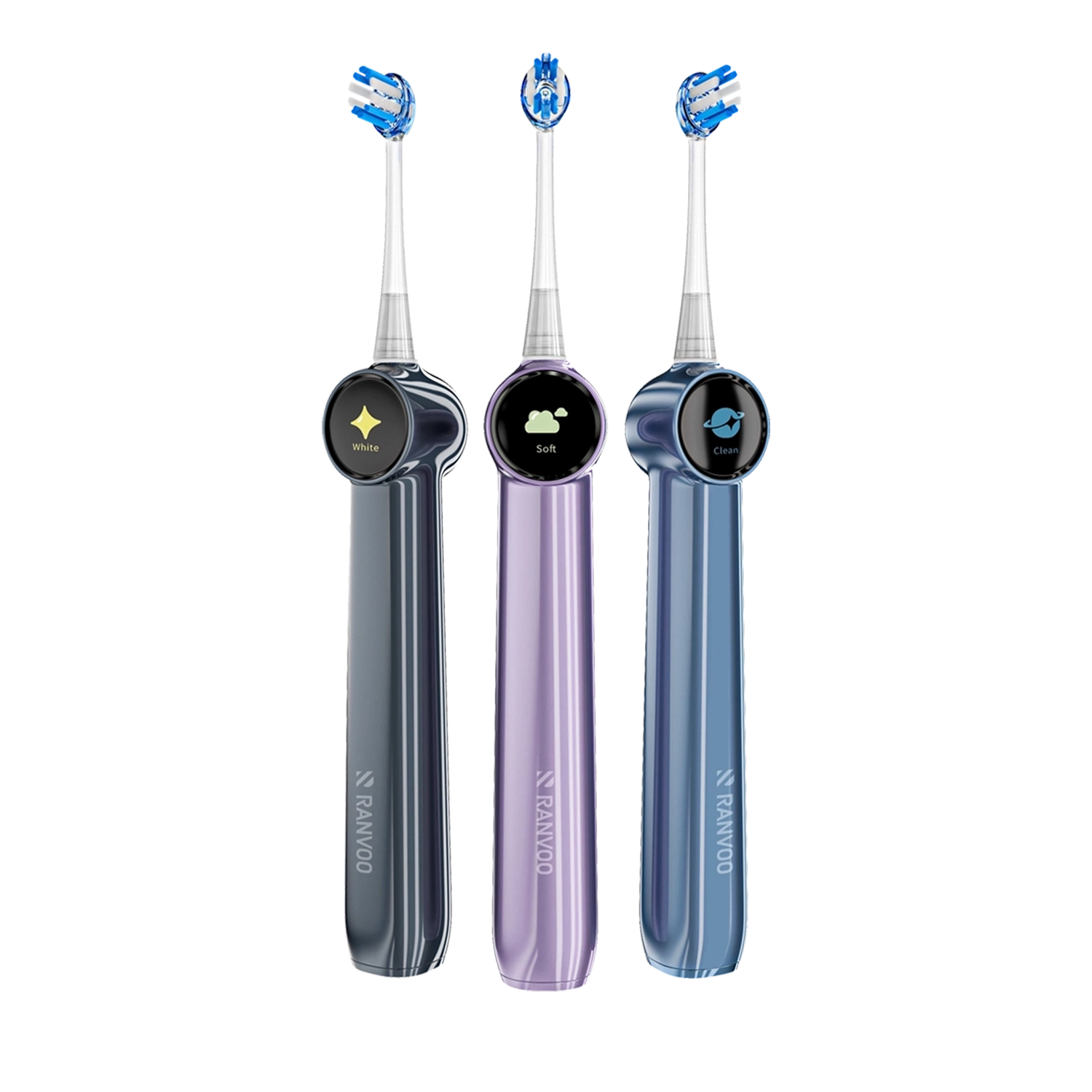
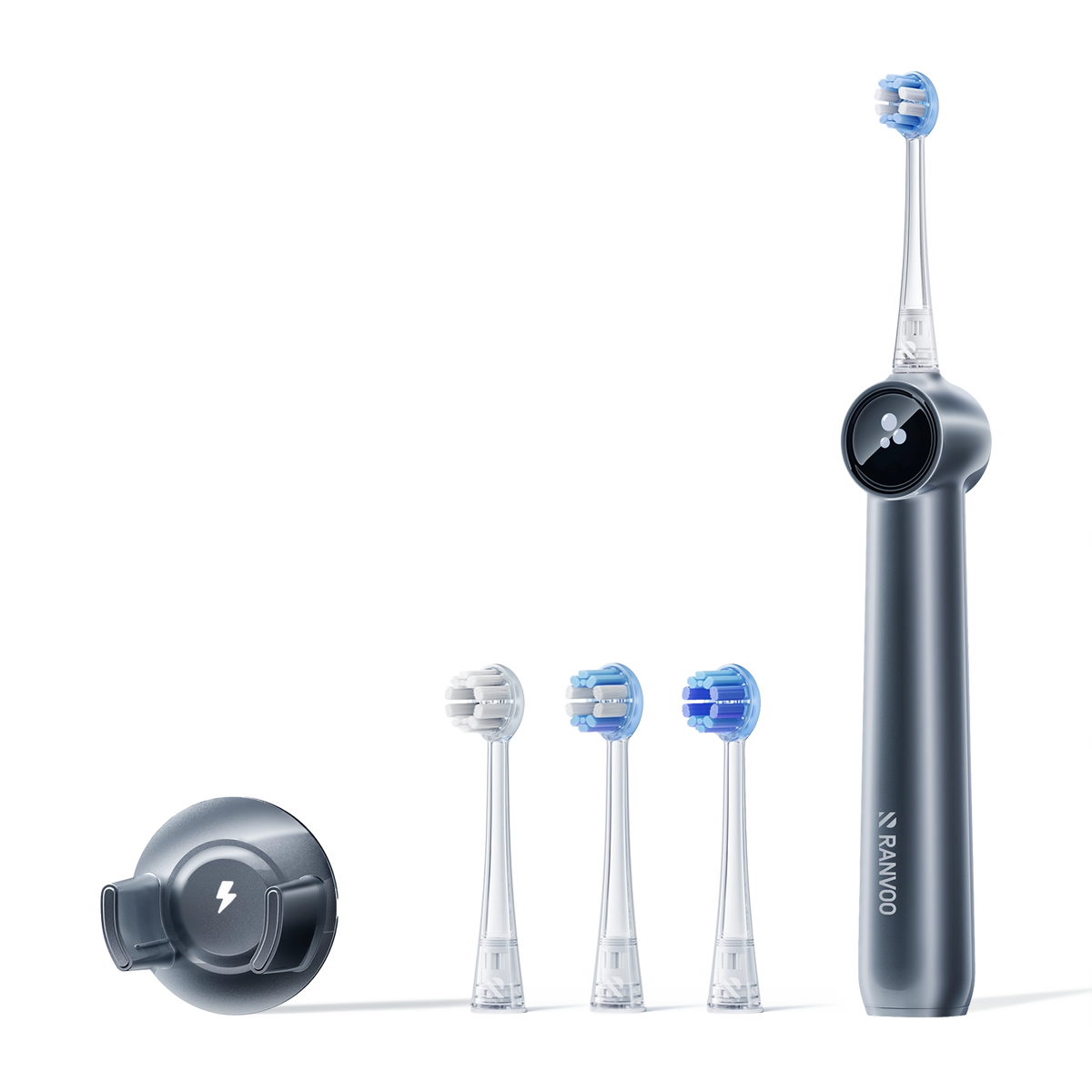
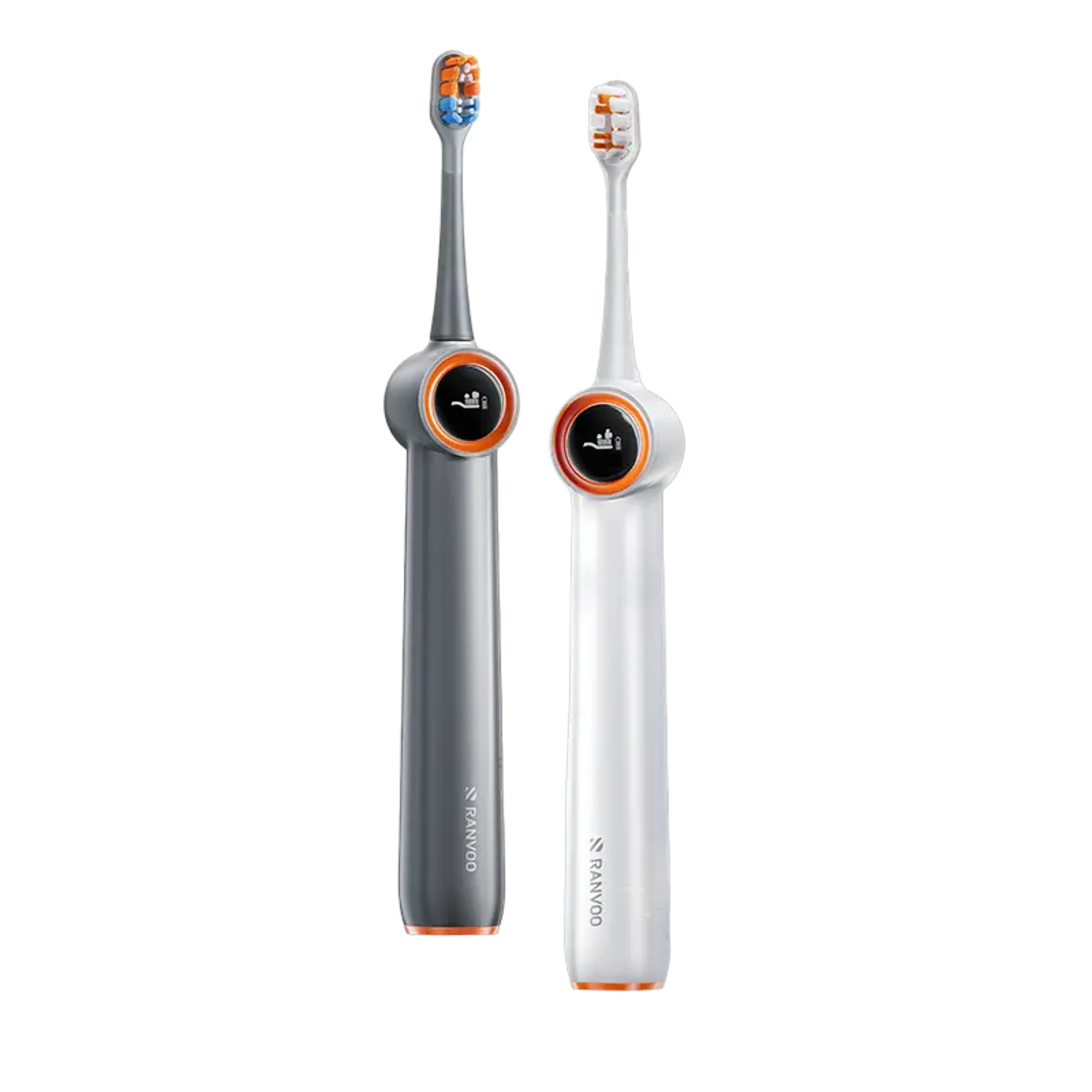
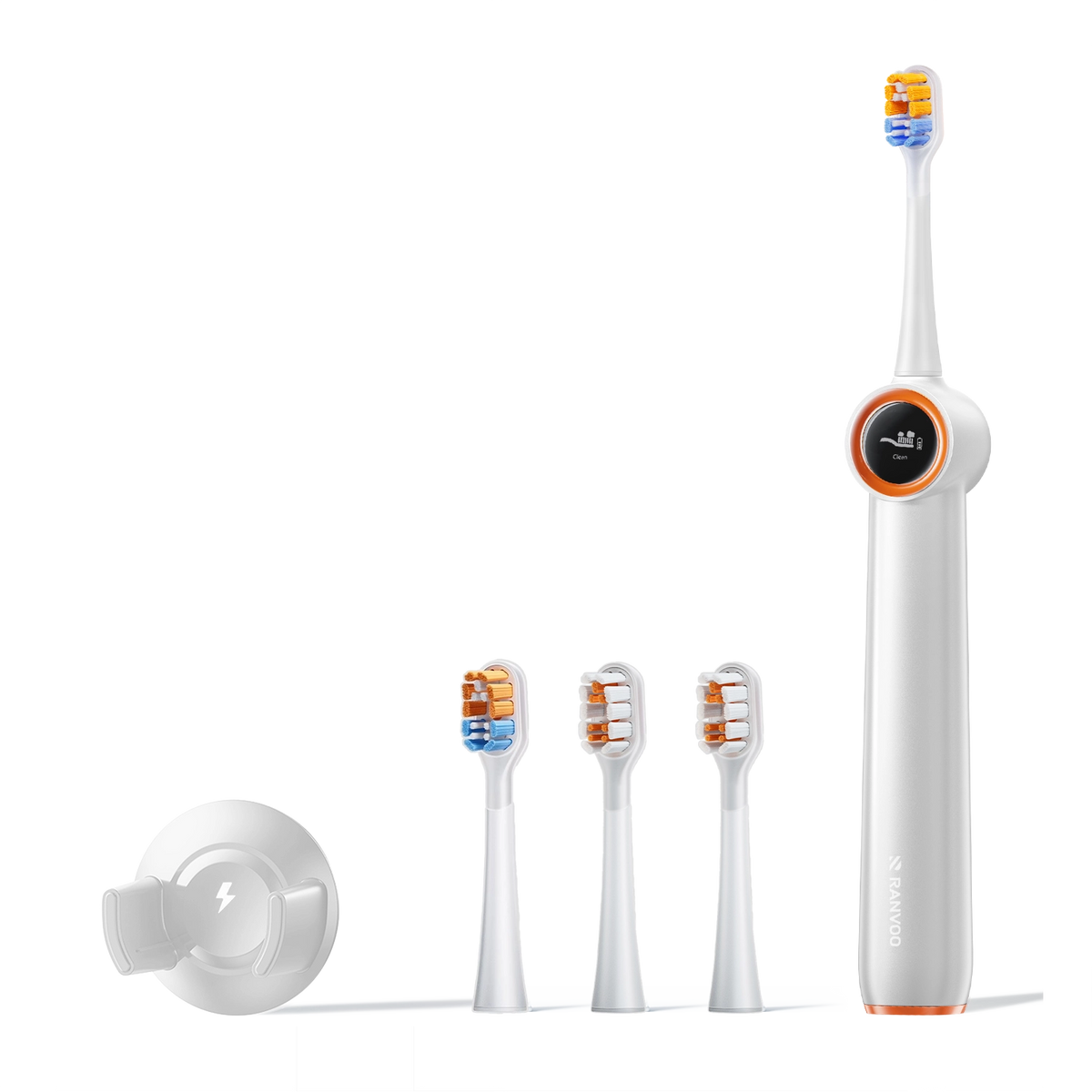
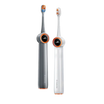
If you use an electric toothbrush, let the brush do the work. Hold it lightly and guide it across each tooth. Many powered brushes have pressure sensors that alert you when you press too hard.
Pick Gentle Tools
The right tools make gentle brushing easier.
- Use a toothbrush with soft bristles and a small head.
- Replace your brush every 3 to 4 months, or sooner if bristles look bent.
- Use fluoride toothpaste daily.
- Avoid medium or hard bristles, which can add to enamel wear.
- Be cautious with abrasive whitening toothpastes if you already have wear or sensitivity.
Manual and electric brushes can both work well. A review comparing powered and manual brushes found that powered brushes remove slightly more plaque, but the difference is small. If you tend to press hard, a powered brush with a pressure sensor may help you stay gentle.
Limit Abrasive Extras
Whitening pastes and charcoal products can add to enamel wear, especially when combined with firm bristles or heavy pressure. Laboratory research suggests charcoal and some whitening products can increase surface roughness and wear, particularly with hard or medium brushes. A review of charcoal dental products also found they may have abrasive effects.
A practical approach:
- Daily: soft brush, fluoride toothpaste, and floss.
- Occasional: mild whitening toothpaste if you have no wear or sensitivity.
- Skip or ask your dentist: charcoal pastes or powders, hard brushes, and highly abrasive whitening pastes if you have receding gums or visible wear.
Floss and mouthwash are helpful, but they are not reasons to brush more aggressively. They reach areas a brush misses, but they do not replace gentle brushing.
Fix Common Mistakes
Small changes can make a big difference.
| Common habit | Quick fix |
|---|---|
| Sawing the brush back and forth | Use small circular or gentle sweeping strokes |
| Pressing too hard | Hold the brush like a pen and check for flattening bristles |
| Using a worn brush | Replace it every 3 to 4 months |
| Brushing right after acidic foods or drinks | Rinse with water and wait if possible |
| Scrubbing the same spot repeatedly | Follow a pattern and cover all areas evenly |
Know When to Get Help
See a dentist if you notice:
- Gums clearly pulling back or teeth that look longer.
- Sensitivity that does not improve after switching to gentle brushing.
- Teeth that look worn, flattened, or thinner near the edges.
- Bleeding that does not improve with a softer technique.
These signs may need a professional exam. Continuing to brush harder can make the damage worse. The best next step is to soften your technique now and book an exam if symptoms persist.
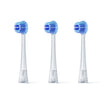
 Best Overall
 Best Value
 Best for Sensitive Teeth
This article has been reviewed by an oral health professional for accuracy. It is intended to provide general educational information and should not be used as a substitute for personalized medical advice, diagnosis, or treatment. If you have questions or concerns about your oral health, please consult a dentist, physician, or other qualified healthcare provider.