
















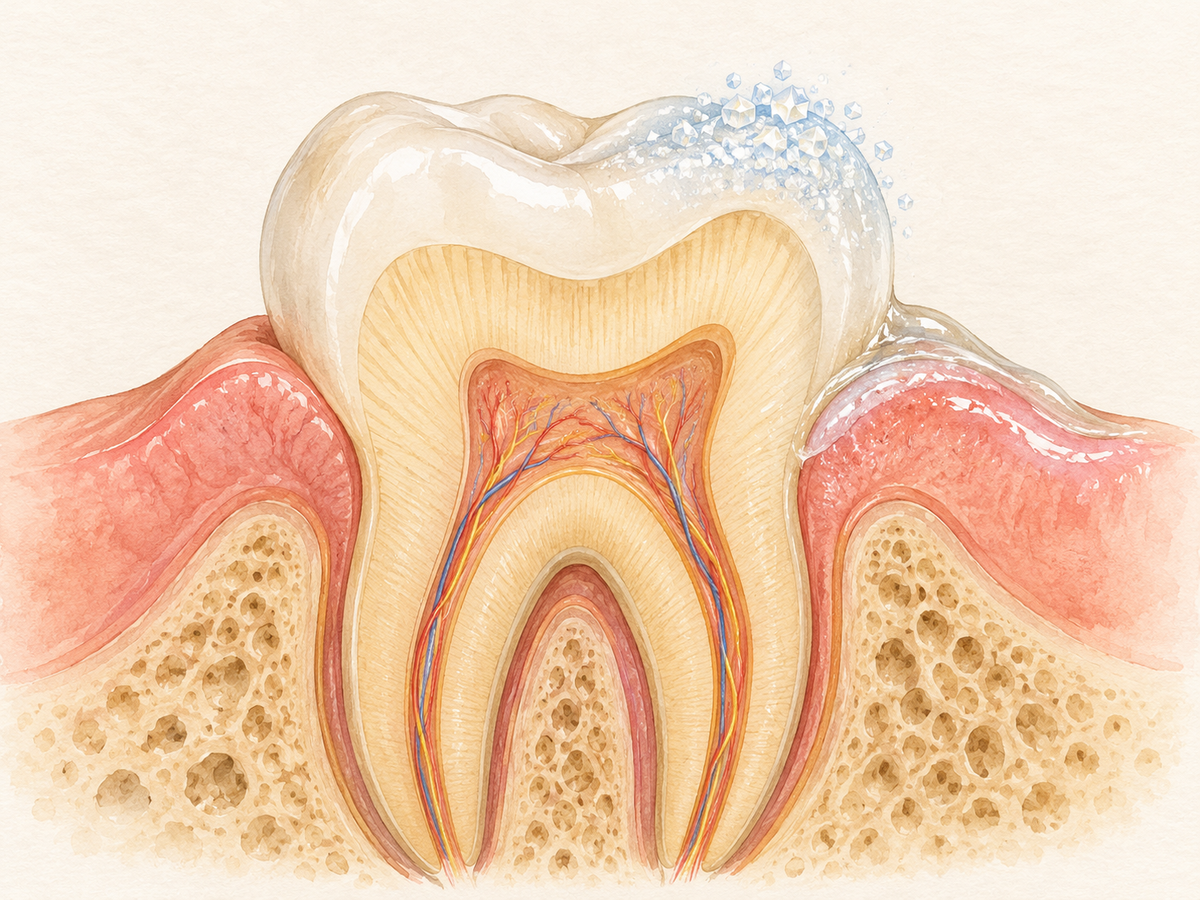
Aloe vera toothpaste may help calm mild gum irritation and reduce some plaque-forming germs, but it is not a substitute for fluoride cavity protection. The best reason to try it is gum comfort or a preference for a gentler, less foamy formula. If you have a high risk of cavities, choose an aloe vera toothpaste that still contains fluoride.
Think of aloe vera toothpaste as a comfort and preference option, not a treatment. Ongoing bleeding, pain, swelling, or loose teeth need a dentist.
How Aloe Vera Works in Your Mouth
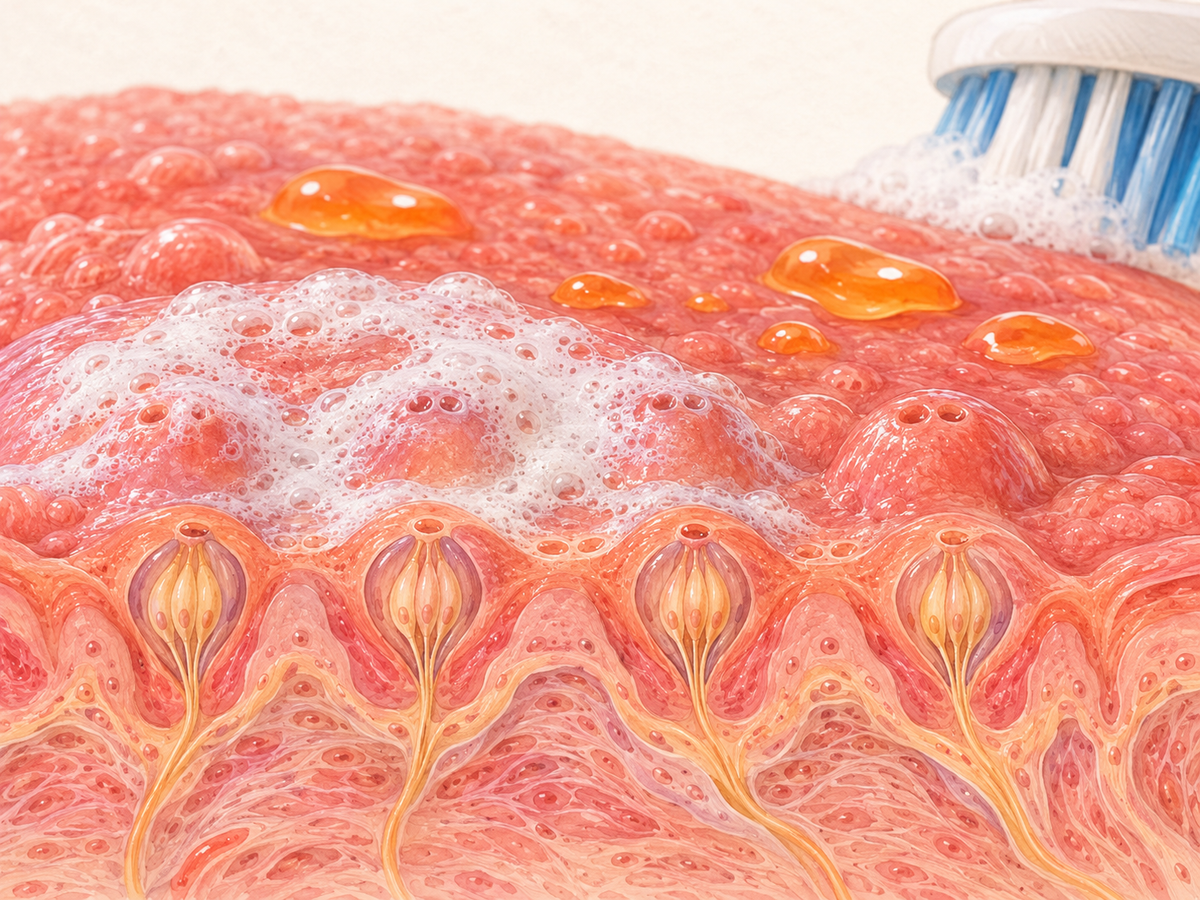
Aloe vera contains compounds that may calm inflammation and fight some germs. A review of aloe vera in dental care describes it as having anti-inflammatory, antimicrobial, wound-healing, and antioxidant properties — terms that mean it may reduce swelling, slow some germs, support healing, and protect cells from damage source.
One part of aloe vera, called acemannan, may help tissues repair and reduce inflammatory signals source. In plain terms, that may explain why some people feel their gums are less irritated when they use aloe vera toothpaste.
However, these effects are supportive, not proven cavity protection. Fluoride — the cavity-protecting mineral in most standard toothpastes — still does the main work of strengthening tooth enamel.
Gum Health and Plaque Control
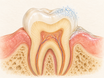
For mild gum inflammation, bleeding gums, and plaque buildup, aloe vera toothpaste may help some people, but the evidence is still limited.
A systematic review of aloe vera mouthwash found it was comparable to chlorhexidine, a strong prescription-type mouthwash, for reducing gum inflammation. However, chlorhexidine was better at reducing plaque source.
The evidence for aloe vera toothpastes specifically is even less settled. One review called the results promising but said the studies were often small or poorly designed source. One small clinical trial found that a commercial aloe vera toothpaste did not add extra plaque or gum benefits compared with a fluoride toothpaste source.
What matters more than the ingredient alone is still:
- How you brush, including reaching the gumline
- Brushing twice a day for two minutes
- Cleaning between teeth daily
- Regular dentist visits
Aloe vera toothpaste can be a reasonable gentle option, but it cannot fix poor brushing or replace professional care.
Sensitive Teeth and Enamel Support
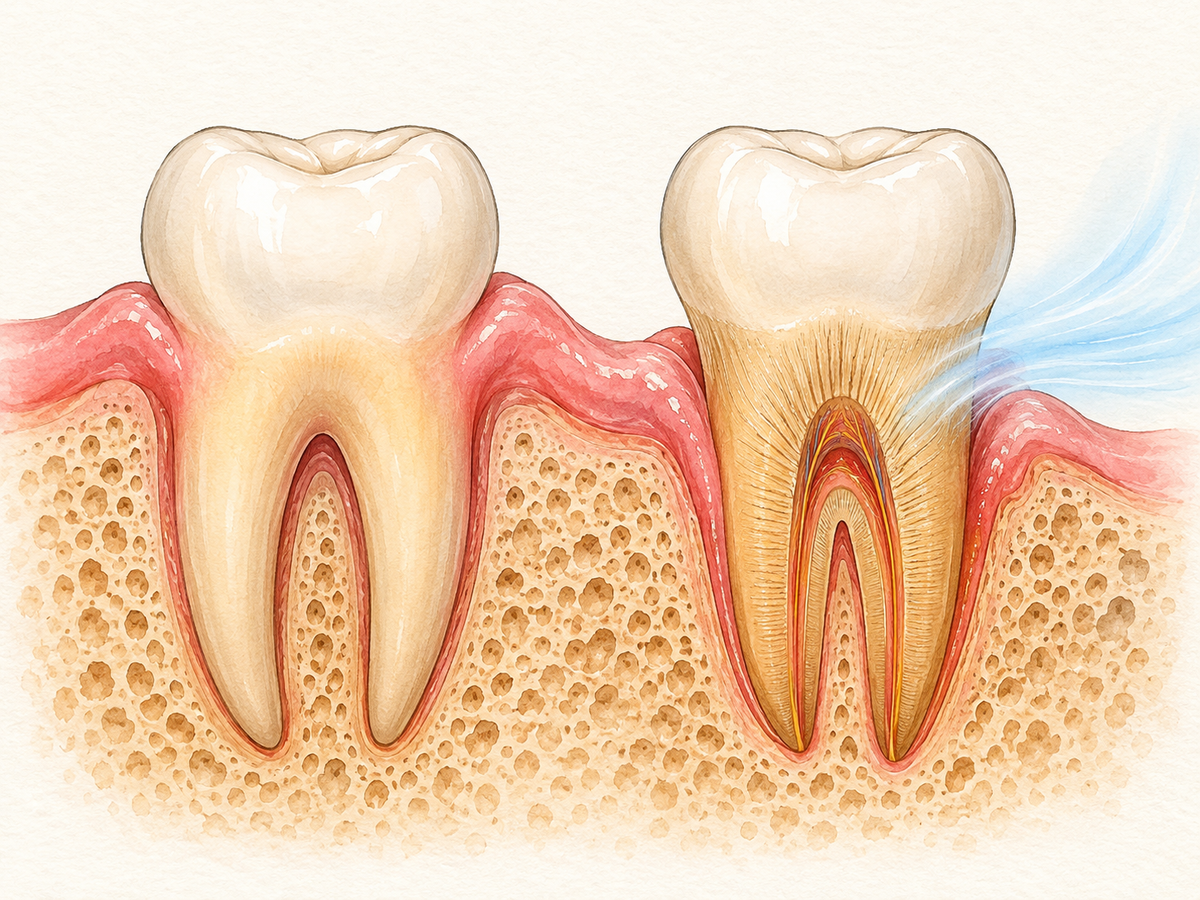
Aloe vera may help with the gum irritation side of a sensitive mouth. If your discomfort comes from tender, inflamed gums, a gentler formula may feel better.
What it does not do is rebuild tooth enamel the way fluoride does. Tooth enamel is the hard outer layer of the tooth. When enamel loses minerals, fluoride can help put minerals back — a process called remineralization.
Lab studies suggest an important pattern: fluoride-free aloe vera toothpaste had the weakest remineralizing effect, while aloe vera combined with 1450 ppm fluoride showed stronger enamel repair source. Another lab study reached a similar conclusion: aloe vera plus fluoride may work well together, but aloe vera without fluoride is not a reliable enamel repair ingredient source.
This is especially important if you have a higher risk of tooth decay. Do not replace a fluoride toothpaste with a fluoride-free aloe vera toothpaste and expect the same protection.
Aloe Vera vs Regular Toothpaste
Aloe vera toothpaste and standard toothpaste differ mainly in ingredients and marketing focus. The most important question is not whether a toothpaste contains aloe vera, but whether it contains fluoride.
| Feature | Aloe vera toothpaste | Regular toothpaste |
|---|---|---|
| Gum comfort | May help mild irritation | Varies by formula |
| Abrasiveness | Not automatically gentler; check the label | Varies; low-abrasion options exist |
| Fluoride | Depends on the product | Usually yes |
| Cavity protection | Only reliable if it contains fluoride | Reliable with fluoride |
| Flavor or foam | Often milder or less foamy | Can be strong or foamy |
A toothpaste’s abrasiveness depends on its formula, not on whether it contains aloe vera. Lower-abrasion toothpastes are generally considered gentler on hard tooth surfaces source. Always check the product details rather than assuming aloe vera is automatically a low-abrasion choice.
If your priority is cavity protection, a standard fluoride toothpaste is the most evidence-backed choice. If you want gum comfort or a gentler formula, an aloe vera toothpaste with fluoride can be a reasonable option.
Who May Benefit Most
Aloe vera toothpaste may appeal most to people who:
- Have mild gum irritation or tenderness
- Have a dry mouth and want a more comfortable brushing experience
- Are sensitive to strong mint or cinnamon flavors
- Prefer an SLS-free formula
SLS stands for sodium lauryl sulfate, a foaming agent that can irritate some people’s mouths. Some aloe vera toothpastes leave it out.
You should be more cautious if you:
- Have a high risk of tooth decay
- Have severe gum disease or deep gum pockets
- Have a known allergy to aloe vera or related plants
- Are using it as a substitute for dental treatment
When in doubt, ask your dentist or dental hygienist whether an aloe vera toothpaste fits your needs.
Limits and Caveats
Aloe vera toothpaste is not a treatment for serious gum problems. It will not fix periodontitis, which is advanced gum disease that can damage the bone around teeth. It is not a treatment for mouth infections or deep gum pockets.
Fluoride-free versions may also leave teeth less protected. If a product is marketed heavily as “natural,” that label alone does not tell you whether it is safe or effective. Dental professionals generally recommend choosing a toothpaste based on safety and proven effectiveness rather than cosmetic or natural claims source.
Check the ingredient list. Allergy risk is real, especially if you are sensitive to plants in the lily family. If you notice itching, rash, swelling, or mouth irritation after using aloe vera toothpaste, stop using it and contact a healthcare professional.
How to Choose and Use It
If you decide to try aloe vera toothpaste, look for:
- Fluoride on the ingredient list
- A low-abrasion formula
- Ingredients you can recognize
- Independent testing or a dental association mark, where available
Use it like any normal toothpaste:
- Brush twice a day for two minutes.
- Clean between your teeth once a day with floss or another tool.
- Do not swallow toothpaste.
- See a dentist if you have ongoing bleeding, pain, swelling, or sensitivity.
Aloe vera toothpaste can be a gentle part of your daily routine, but it works best when fluoride is still in the picture and when it is paired with consistent brushing, cleaning between teeth, and professional checkups.
 Best Overall
 Best Value
 Best for Sensitive Teeth
This article has been reviewed by an oral health professional for accuracy. It is intended to provide general educational information and should not be used as a substitute for personalized medical advice, diagnosis, or treatment. If you have questions or concerns about your oral health, please consult a dentist, physician, or other qualified healthcare provider.