









Most mouth blisters come from everyday irritation—hot food, a sharp tooth, braces, an accidental bite—or a common viral infection. Many heal on their own within a week or two with simple care. The cause matters because canker sores are not contagious, but cold sores can spread through direct contact. Get urgent help for trouble breathing, facial swelling, or widespread blistering, and see a dentist for any sore that lasts more than two weeks.
Do not pop, squeeze, or pick at a mouth blister. Breaking the skin can make the pain worse and invite infection.
Why Blisters Form in Mouth Tissue
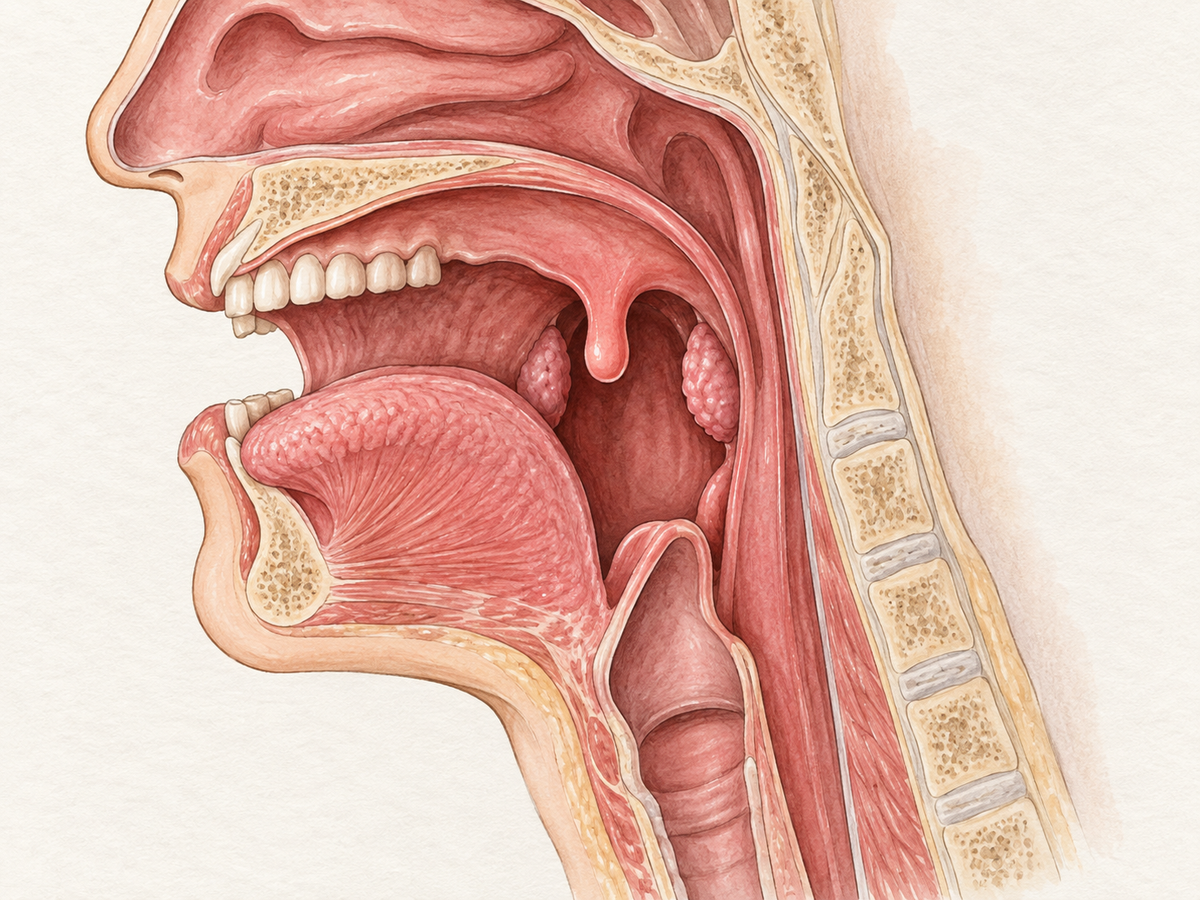
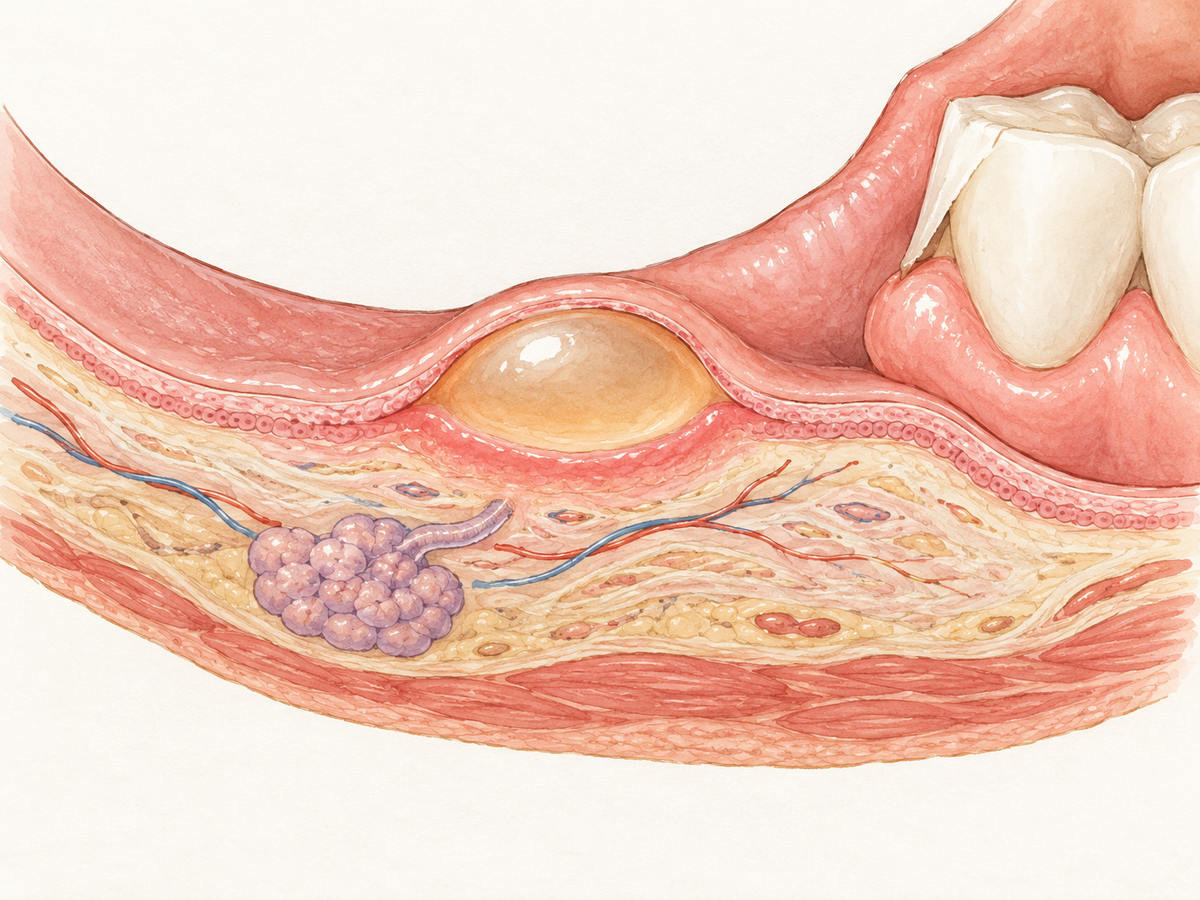
Your mouth lining—the oral mucosa—is thin, moist, and built to handle chewing and talking. But it can be injured easily. A true blister is a raised, fluid-filled bump. It forms when fluid collects beneath the surface of the lining.
Many things can trigger that fluid collection:
- Heat from very hot food or drinks
- Friction from braces, dentures, or a sharp tooth or filling
- Accidentally biting the inside of your cheek
- Viral infections such as herpes simplex or hand-foot-mouth disease
- An immune reaction in the body
- A reaction to a dental product or medicine
Loose wires, dentures that no longer fit, or a sharp edge from a broken tooth or filling can all cause a mouth sore, according to dental guidance on common mouth sores.
The timing can give you a clue. Cold sores often begin with burning, pain, or itching before the blister appears, according to clinical information on oral mucosal lesions. A burn or bite usually hurts right away. Sores caused by friction or heat tend to show up exactly where the injury happened.
Blisters, Canker Sores, and Cold Sores: What’s the Difference?
Many people call every painful mouth spot a blister, but the terms matter. A canker sore is an open sore, not a fluid-filled blister. A cold sore is a contagious fluid-filled cluster caused by the herpes simplex virus. A true blister is simply a raised pocket of fluid.
| Feature | Canker sore | Cold sore | Irritation or injury blister |
|---|---|---|---|
| What it looks like | Shallow open sore with a yellow-white center and red border | Cluster of small fluid-filled bumps that may crust | Single fluid-filled bump that may break into an open sore |
| Where it usually appears | Inside the mouth: inner lip, cheek, under tongue, soft palate | On or near the outer lip, sometimes under the nose or chin | At the site of heat, friction, or a bite |
| Contagious? | No | Yes, through direct contact | No |
| Early signs | Painful sore | Tingling, burning, or itching first | Sudden pain right after injury |
Canker sores always occur inside the mouth and are not contagious. Cold sores usually occur outside the mouth and can spread through direct contact, according to dental guidance on mouth sores. Cold sores may occasionally appear inside the mouth, especially during a first herpes infection.
A canker sore is one type of oral ulcer, which simply means an open sore in the mouth lining. Check the location and pattern first. An open sore inside the cheek is more likely a canker sore. A cluster of tiny blisters on the lip edge is more likely a cold sore.
Likely Causes Based on Your Pattern
Look at where the sore appears, how many there are, and what happened beforehand. This pattern is a clue, not a diagnosis.
- A single sore right after biting your cheek, eating something very hot, or irritating the tissue with braces or a rough filling: this points to trauma, meaning injury.
- Repeated small, round, or slightly oval open sores inside the mouth: these are likely recurring canker sores. Common triggers include stress, poor sleep, certain foods, hormonal changes, and nutritional gaps.
- Fever plus widespread mouth blisters or ulcers, especially in a child: this suggests an infection. Hand-foot-mouth disease can cause fever, mouth ulcers, and a rash on the palms and soles. It is most common in children younger than 10, but adults can get it too, according to a clinical review on hand-foot-mouth disease.
- A cluster of small blisters on the outer lip after tingling: this points to a cold sore.
- A sore that appears after switching toothpaste, mouthwash, or cinnamon-flavored gum: this may be a reaction to a product ingredient.
For people with recurring canker sores, low levels of vitamin B12, folate, or iron are more common than in people without them. Research reviews have found a link between these nutritional gaps and recurrent aphthous ulcers, though not every person with low levels gets sores. One meta-analysis found higher rates of vitamin B12, folate, and ferritin deficiencies in people with recurrent aphthous ulceration, and another review found similar associations.
Some medications and immune-related conditions can also cause mouth sores. Oral ulcers can range from minor irritation to more serious conditions, so recurring or unusual sores should be examined by a professional, especially if they keep coming back or look different. Clinical guidance on oral ulcers stresses that location and pattern help, but some cases need testing or a biopsy.
Home Care That Soothes Mouth Blisters
While the tissue heals, the goal is to reduce irritation and keep eating and drinking comfortable.
What helps:
- Eat soft, bland, cool foods such as yogurt, cottage cheese, applesauce, oatmeal, scrambled eggs, and smoothies without citrus.
- Drink cool water or ice water. A straw may help if a sore is in a sensitive spot.
- Stay well-nourished and hydrated while the sore heals, as dental guidance on mouth sores recommends.
- Use an over-the-counter numbing gel or barrier paste as directed on the label. These can temporarily cover or numb the sore.
- Take an over-the-counter pain reliever such as acetaminophen or ibuprofen if you have no medical reason to avoid it. Follow the label.
- Use a gentle mouth rinse only if your dentist or doctor approves it.
What to avoid:
- Acidic, spicy, salty, crunchy, or alcoholic foods and drinks
- Very hot drinks
- Toothpaste or rinses that sting, unless your dentist or doctor suggests them
- Popping, squeezing, or picking at blisters
For cold sores, avoid kissing and do not share cups, utensils, towels, or lip products while blisters are present. Cold sores are contagious.
Targeted Treatments for Persistent Sores
Treatment should match the cause. That is why a professional diagnosis is useful before reaching for a prescription.
- Cold sores from herpes: Antiviral medicines such as acyclovir, famciclovir, or valacyclovir may be prescribed. They tend to work best when started at the first sign of tingling or burning. A systematic review of clinical trials found that adding a topical corticosteroid to antiviral therapy reduced the development of ulcerative lesions, but this combination is not appropriate for every case.
- Severe or recurring canker sores: A dentist or doctor may recommend a prescription-strength topical product or medicated rinse. Blood tests can check for low vitamin B12, folate, iron, and hemoglobin if you have frequent canker sores. Research on hematologic deficiencies suggests checking and treating these deficiencies may help some people.
- Immune-related blistering conditions: These are not everyday canker sores. They may need topical or systemic corticosteroids or other immune-modifying medicines, managed by a specialist, according to guidance on oral ulcer diagnosis and management.
- Bacterial infection: Only a dentist or doctor should prescribe antibiotics. Do not use leftover antibiotics for a mouth blister or cold sore. Antibiotics do not kill viruses, and using them unnecessarily can cause more harm than benefit.
Red Flags: When to Get Medical Care
Most mouth blisters are not dangerous. But a few signs need quick care.
Get emergency care if you or your child has:
- Trouble breathing or swallowing
- Swelling of the face, lips, neck, or tongue
- A high fever with widespread blisters or ulcers
- Signs of dehydration, such as very little urine, severe dry mouth, dizziness, or weakness
- Pus, spreading redness, or blisters that are rapidly increasing
Painful mouth ulcers can make drinking difficult. In hand-foot-mouth disease, for example, dehydration is a known concern because the sores hurt, so supportive care focuses on hydration and pain relief. A rapid evidence review recommends those measures for this infection.
Make a prompt dental or medical appointment if:
- A sore lasts longer than two weeks without healing
- Sores keep coming back frequently
- A new blister appears after starting a medicine
- You have a weakened immune system
- A sore feels firm, has raised or rolled edges, or continues to grow
A mouth ulcer that persists for two weeks or more should be checked, according to guidance on benign and malignant mouth disease. A non-healing sore may need a biopsy to rule out oral cancer or another serious condition.
Preventing Repeat Blisters and Tracking Triggers
A simple trigger diary can help you spot patterns. Write down:
- The date, location, and size of the sore
- Foods and drinks from the previous day or two
- Stress level and sleep quality
- Toothpaste, mouthwash, gum, or cinnamon-flavored products
- Hormonal cycle changes if relevant
- Recent colds, fevers, or new medicines
To reduce repeat irritation:
- Use a soft-bristled toothbrush.
- Try an SLS-free toothpaste if you suspect your current one is a trigger.
- Have a dentist smooth sharp fillings or teeth and adjust braces or dentures that rub.
- Eat a varied diet and stay hydrated.
- Protect your lips from sun if sun exposure seems to trigger cold sores.
- Avoid direct contact with active cold sores.
Sharp teeth, broken fillings, loose wires, and poorly fitting dentures are correctable causes of mouth sores, so do not ignore them. If prevention fails or symptoms change, see a dentist or doctor instead of cycling through random remedies.
This article has been reviewed by an oral health professional for accuracy. It is intended to provide general educational information and should not be used as a substitute for personalized medical advice, diagnosis, or treatment. If you have questions or concerns about your oral health, please consult a dentist, physician, or other qualified healthcare provider.