















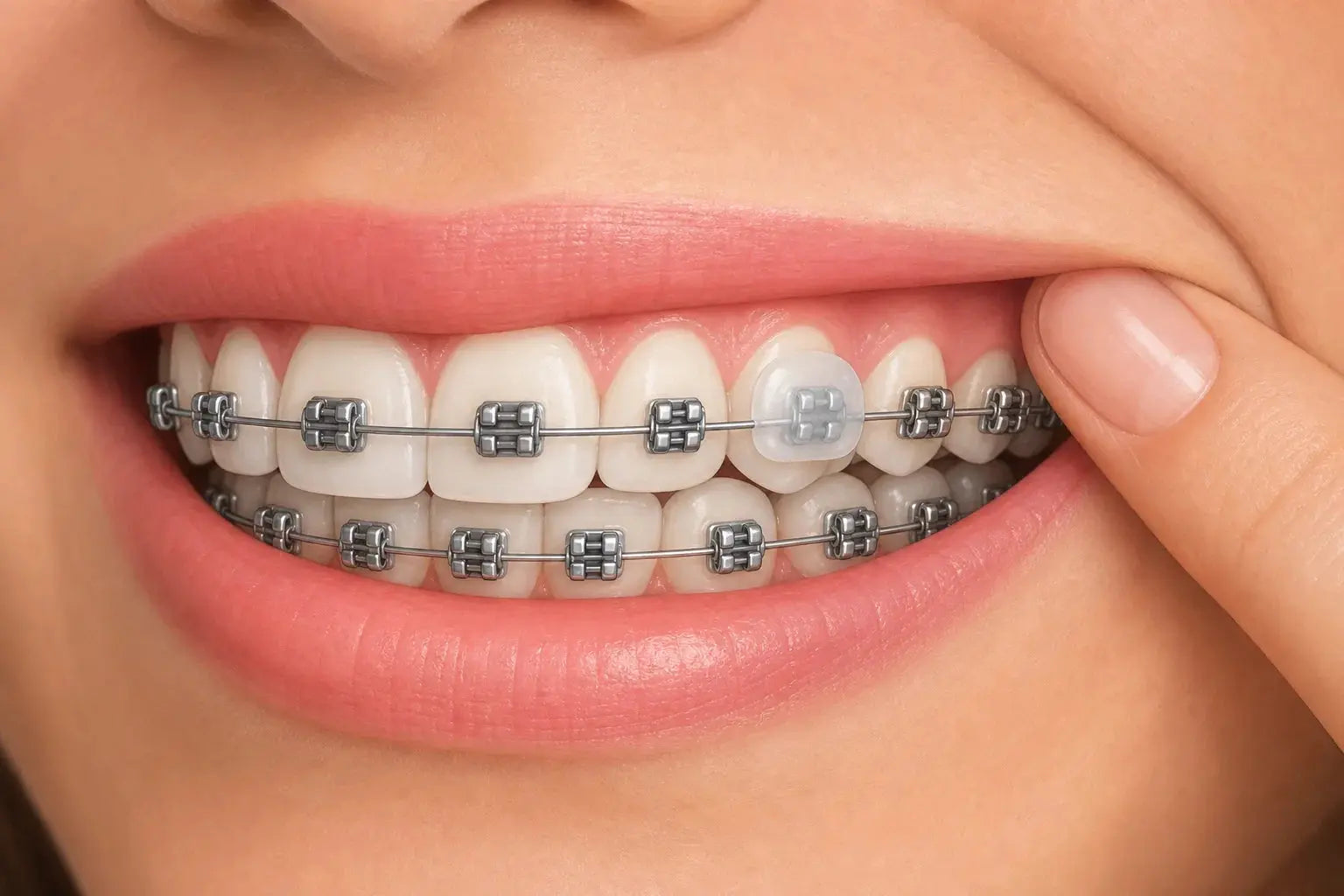
TL;DR: Getting braces put on doesn’t hurt in the moment—there are no needles or drills. The real discomfort starts a few hours later as a dull, achy soreness that peaks around 24–48 hours and then...

How Long Should You Brush Your Teeth?
TL;DR: The American Dental Association and virtually every major dental authority agree — two minutes, twice a day is the non-negotiable standard. Most people average just 45 seconds. That 75-seco...

TL;DR: Plaque is the soft, sticky film you can brush away. Tartar is the hardened fortress it becomes when you don't. Knowing which one you're looking at — and what to do about it — puts you back ...

TL;DR: Both traditional braces and clear aligners can transform a smile – but the best choice depends far more on your specific malocclusion and daily habits than on the appliance itself. For mild...

Understanding and Managing a Wisdom Tooth Infection
TL;DR: Pericoronitis is a bacterial infection trapped under the gum flap of a partially erupted tooth—usually a wisdom tooth. It causes throbbing pain, swelling, and a foul taste. You didn't cause...
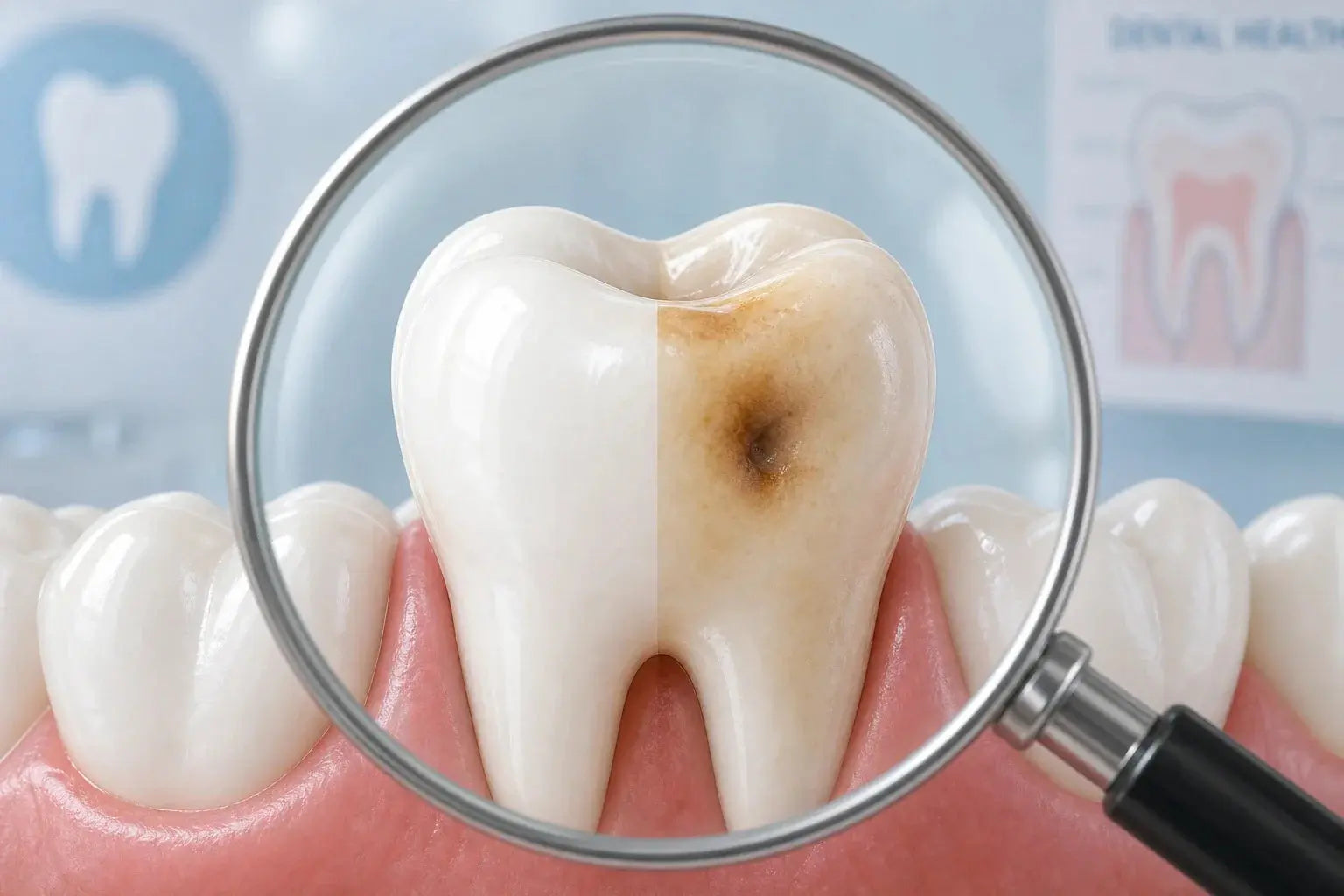
TL;DR: That twinge in your tooth might be nothing — or it might be a cavity asking for attention. Not all cavities cause pain, and some are completely invisible to the naked eye. Here's what to lo...

Oil pulling — swishing oil in your mouth for up to 20 minutes — is an age-old Ayurvedic ritual that has exploded into the modern wellness scene. Early studies suggest it may reduce oral plaque, gi...