

















Bad Breath (Halitosis): Causes, Treatments, and Prevention
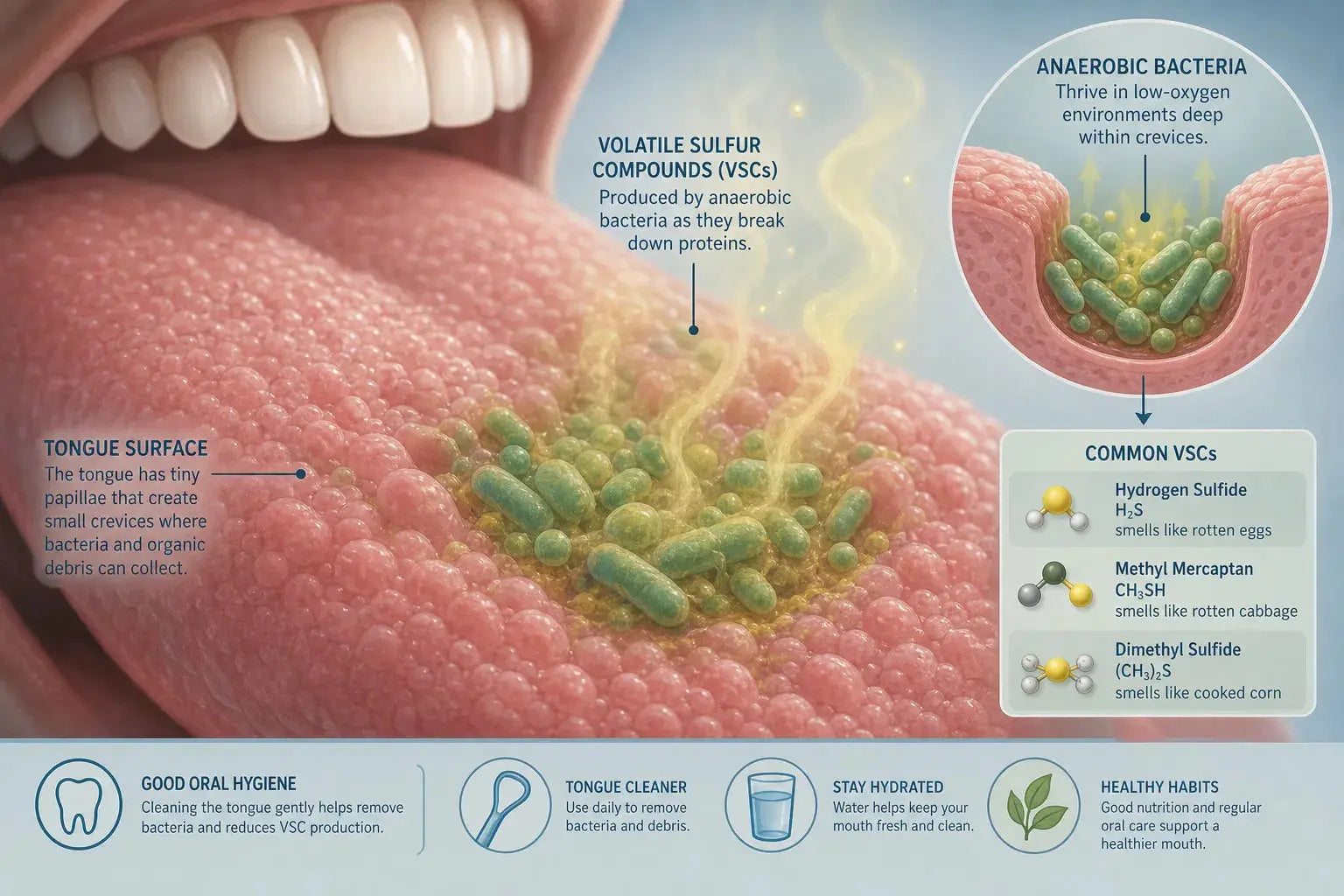
TL;DRBad breath is incredibly common and usually temporary. It happens when odor-causing oral bacteria break down proteins on your tongue and between your teeth, releasing smelly volatile sulfur c...

Swollen Gums: Causes, Home Relief, and When to Seek Help
TL;DR: Swollen gums are most often a sign of gingivitis — a reversible inflammation caused by plaque buildup along the gumline. Simple home care like saltwater rinses and gentle cleaning usually r...
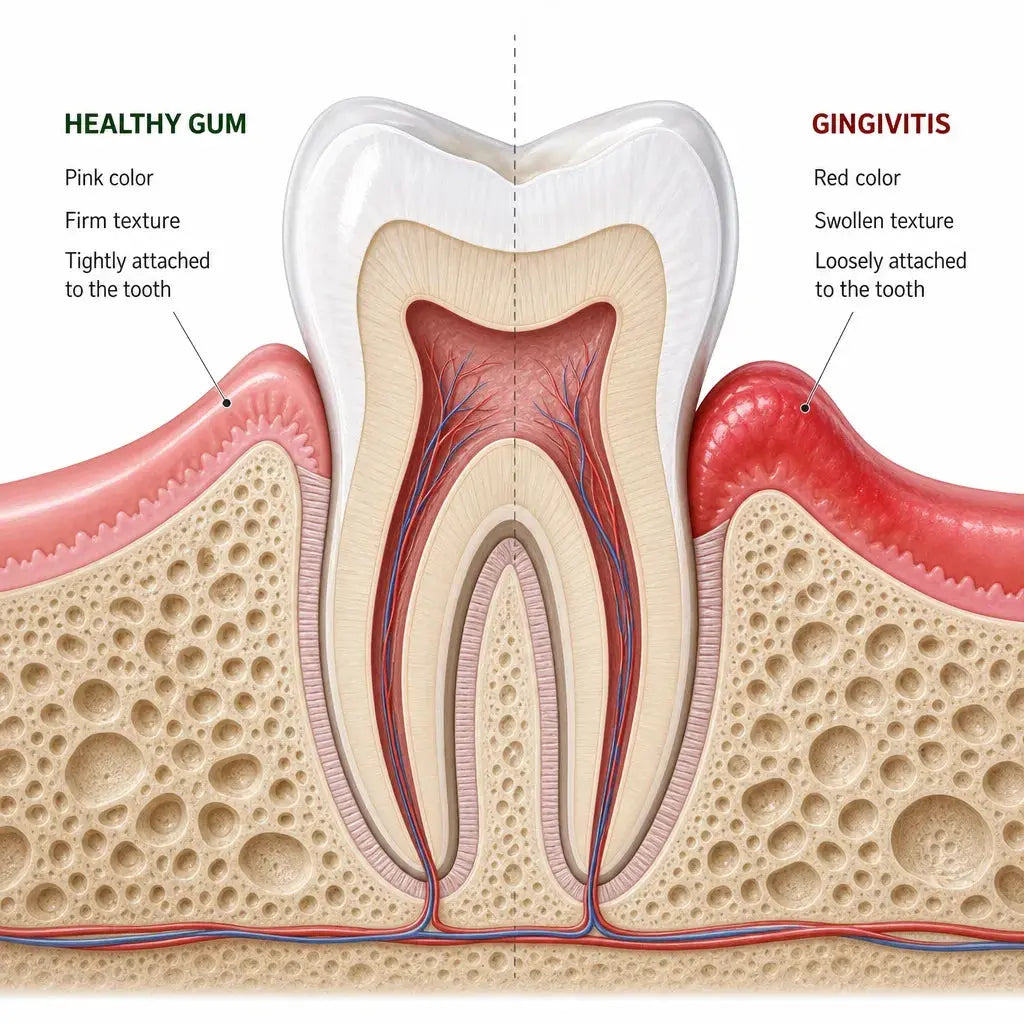
TL;DR: Gingivitis — swollen, bleeding gums — is the earliest and most common stage of gum disease. It’s also 100% reversible. The fix comes down to removing the sticky bacterial film called plaque...
Teething Symptoms: What to Expect and How to Soothe Your Baby
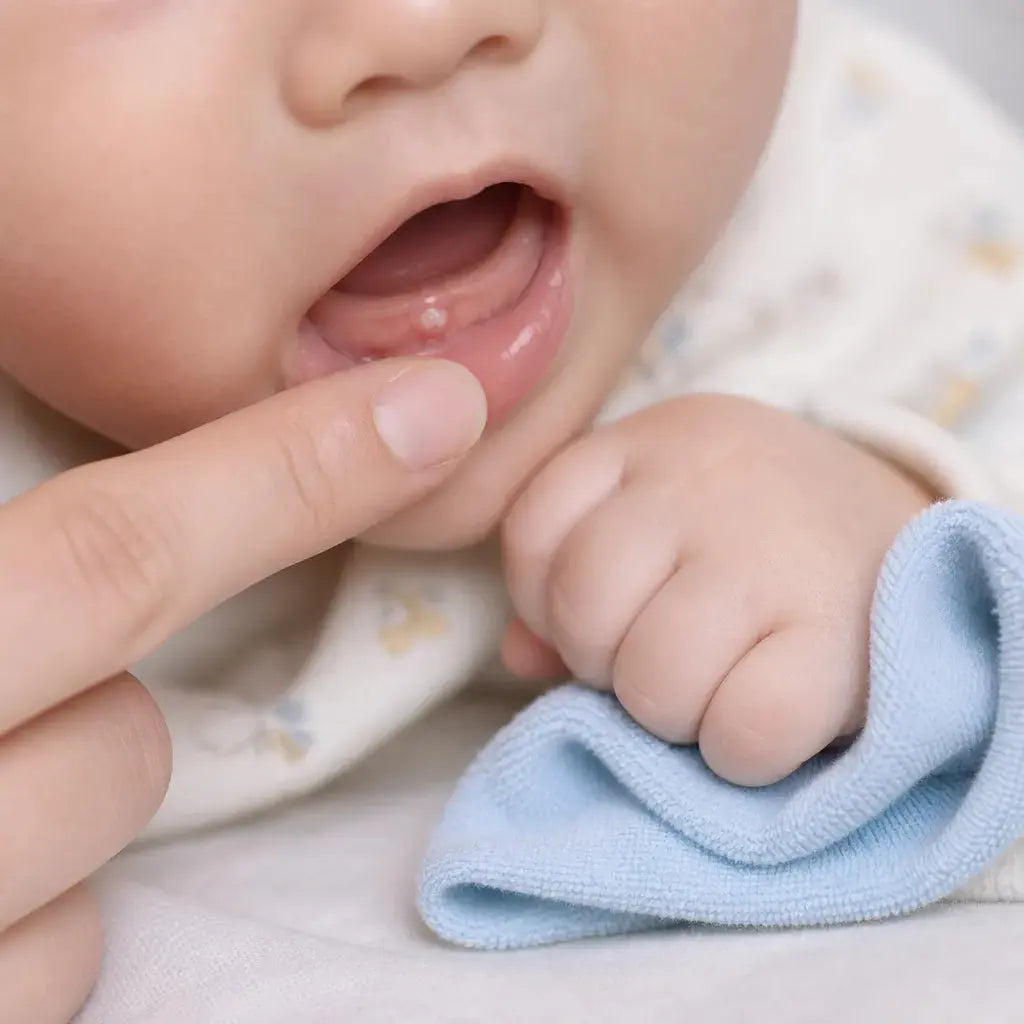
TL;DR: Teething can trigger drooling, gum swelling, irritability, and a mild temperature (under 100.4°F), but it does not cause high fever, diarrhea, or severe illness. Symptoms often peak 4–5 day...

Why Your Mouth Feels Dry: Common Causes Explained
TL;DR: Dry mouth (xerostomia) isn’t just uncomfortable—it’s often a clue. The most common causes include medications, dehydration, lifestyle habits, and underlying health conditions like diabetes ...

When Do Babies Start Teething?
TL;DR: Most babies get their first tooth between 4 and 7 months, but a window from 3 months to over a year is completely normal. Teething can bring drooling, chewing, and mild fussiness—but never ...
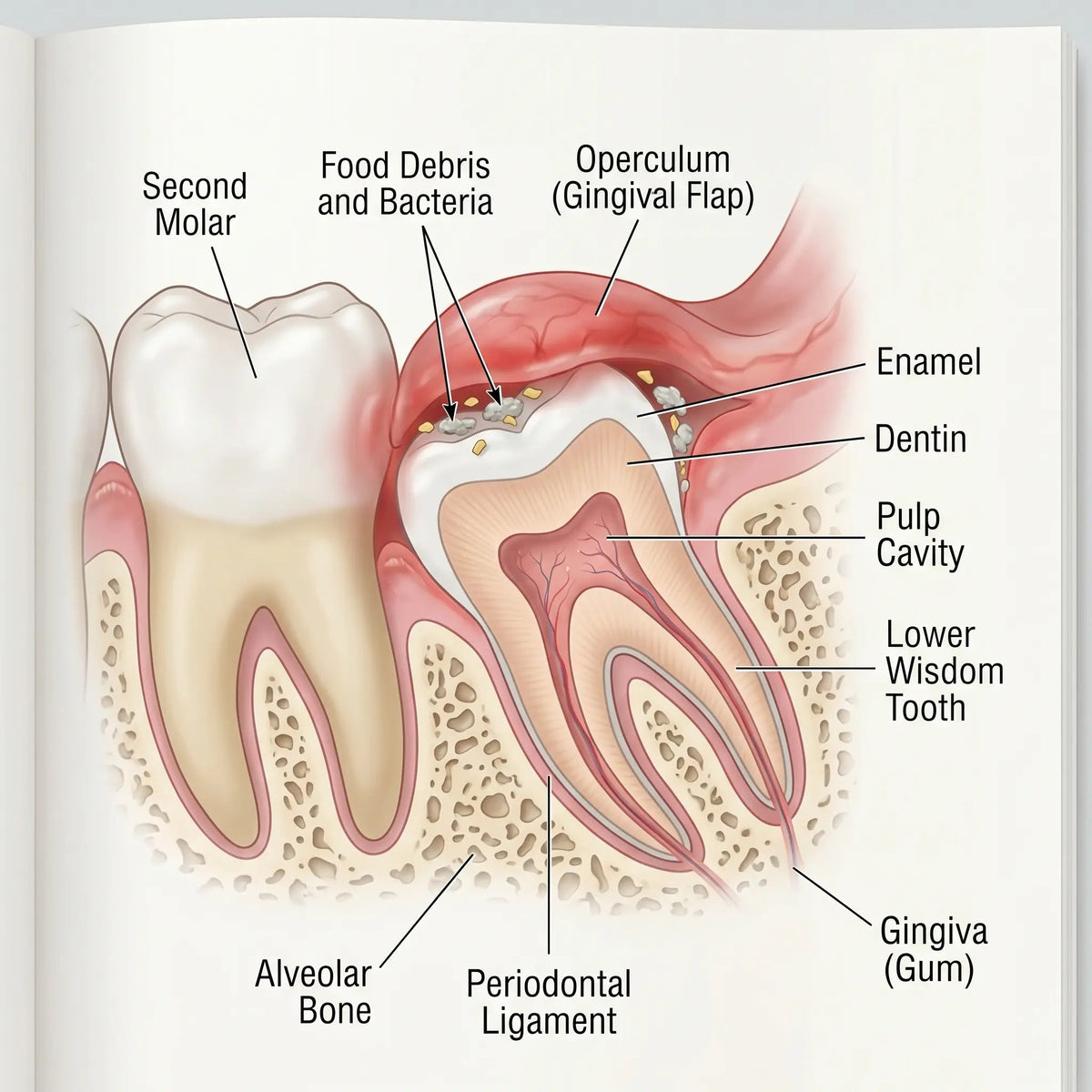
Pericoronitis: What It Is, How to Treat It at Home, and When It's an Emergency
Pericoronitis can usually be managed at home, but fever, facial swelling, difficulty swallowing, or trouble breathing mean the infection is spreading and requires immediate hospital care. What Ex...